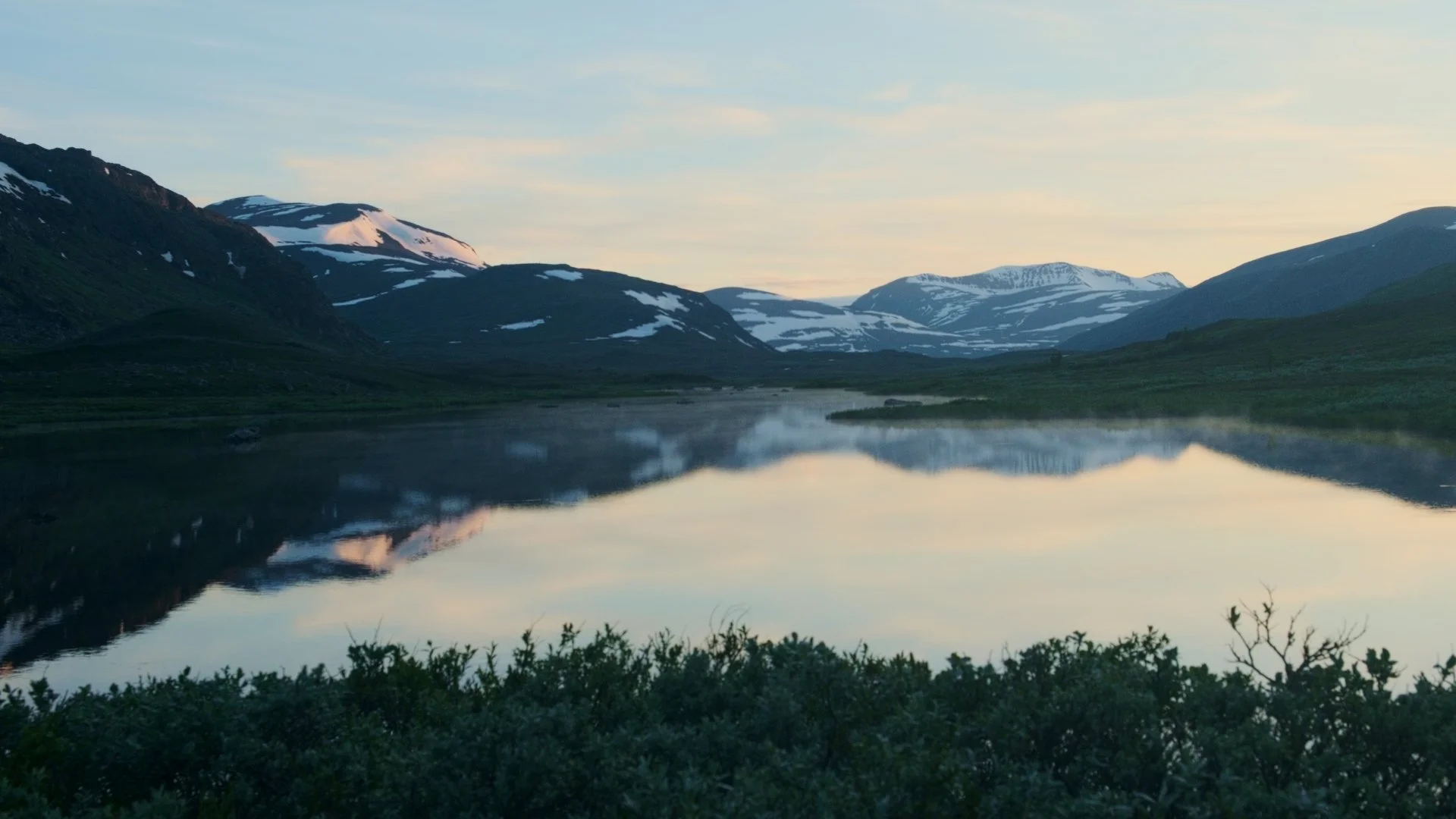
Välijåkkå
My journey runs from my Finnish hometown of Kuopio to Kiruna, in Swedish Lapland. The midnight sun keeps me company on empty roads; farther north, the nocturnal world of animals opens itself. Large wood grouse by the roadside, bigger moose, small rivers, and smaller insects filling the windshield. I drive nearly 800 km, almost all the way to Kiruna. I park by a river in a stand of trees and stretch out on a mattress fitted between the back seats and cargo space. My pack sits beside me, already packed and closed, ready for the hike to come.
I entered Sweden’s special area fishing permit lottery for the first time. The County Administrative Board of Norrbotten, Länsstyrelsen i Norrbotten, issues a few permits for special fishing destinations. I had studied the map, and the most interesting site was a river just over five kilometers long, flowing between fjells about 20 kilometers northeast of Kebnekaise: Välijåkkå (Välijokk). On the map it looked perfect for hiking and fishing, and I’d read that its Arctic char were plentiful. It became my sole aim. The application form allowed entry for two destinations; I filled in only one. I wanted Välijåkkå. To my surprise, in May I received a letter from Sweden that began with the word “Grattis.” My adventure to the river of my dreams was confirmed.
Välijåkkå is one of Sweden’s most restricted fishing waters—perhaps one of the most restricted in the world. This year, 2025, sixteen anglers received permits. The permit allows fishing for three consecutive days during July, and you must collect it in person. According to one Swedish newspaper, the probability of an angler getting a permit for such a river is about once every twenty years. After the trip, nothing weighed on my mind more than the thought that if the statistics hold, I’ll be retired before I fish this river again.
I arrive in Kiruna as the supermarkets open and head for the bakery section. Swedish grocery stores sell chocolate croissants, and I fall for them every time. I pick up final supplies for the trek and gifts for the home front. I buy the fishing permit at a local outdoor shop, where the clerk gives a long look to the foreign permit buyer. I hand the man my passport, and silently apologize in my mind for coming to your fine restricted waters. I ask if the river has been crowded, and it turns out four people have used their permits before me. Twelve anglers remain, then—eleven not counting myself. I venture aloud my odds of being alone on the river this week.
“Det är kanske så” — maybe so.
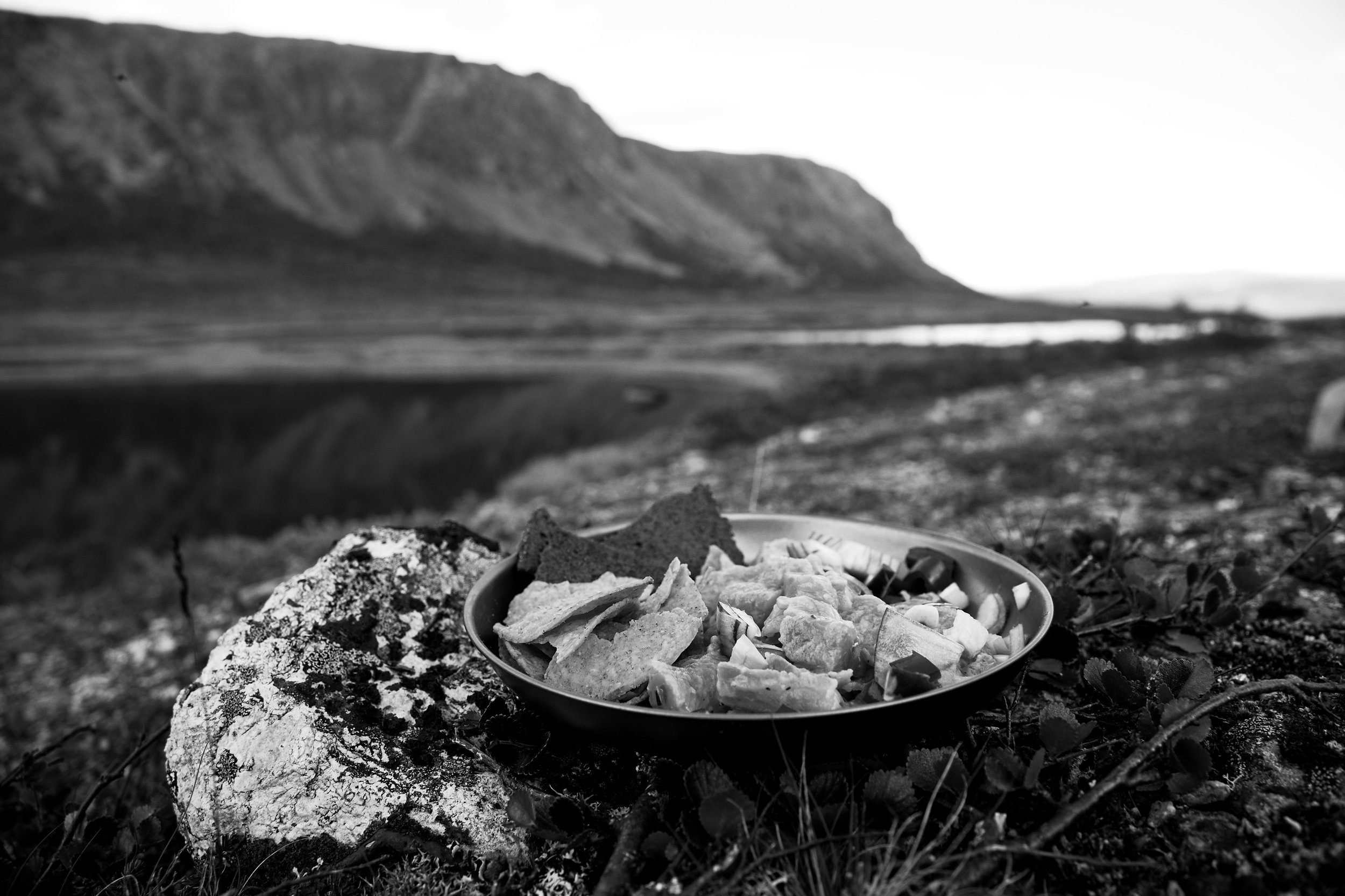
Taking care of business in Kiruna is already enough city for me. I ache for nature; I wait for the fell barrens beneath my feet, for landscapes, for changing weather and complete withdrawal. That archaeology of one’s own mind, which I come to these landscapes to seek. Arctic char, king of cold waters and my favorite fish, as much for its character as for its appearance and taste. I always set a goal for my treks. This time, it is to enjoy char ceviche on the banks of Välijåkkå.
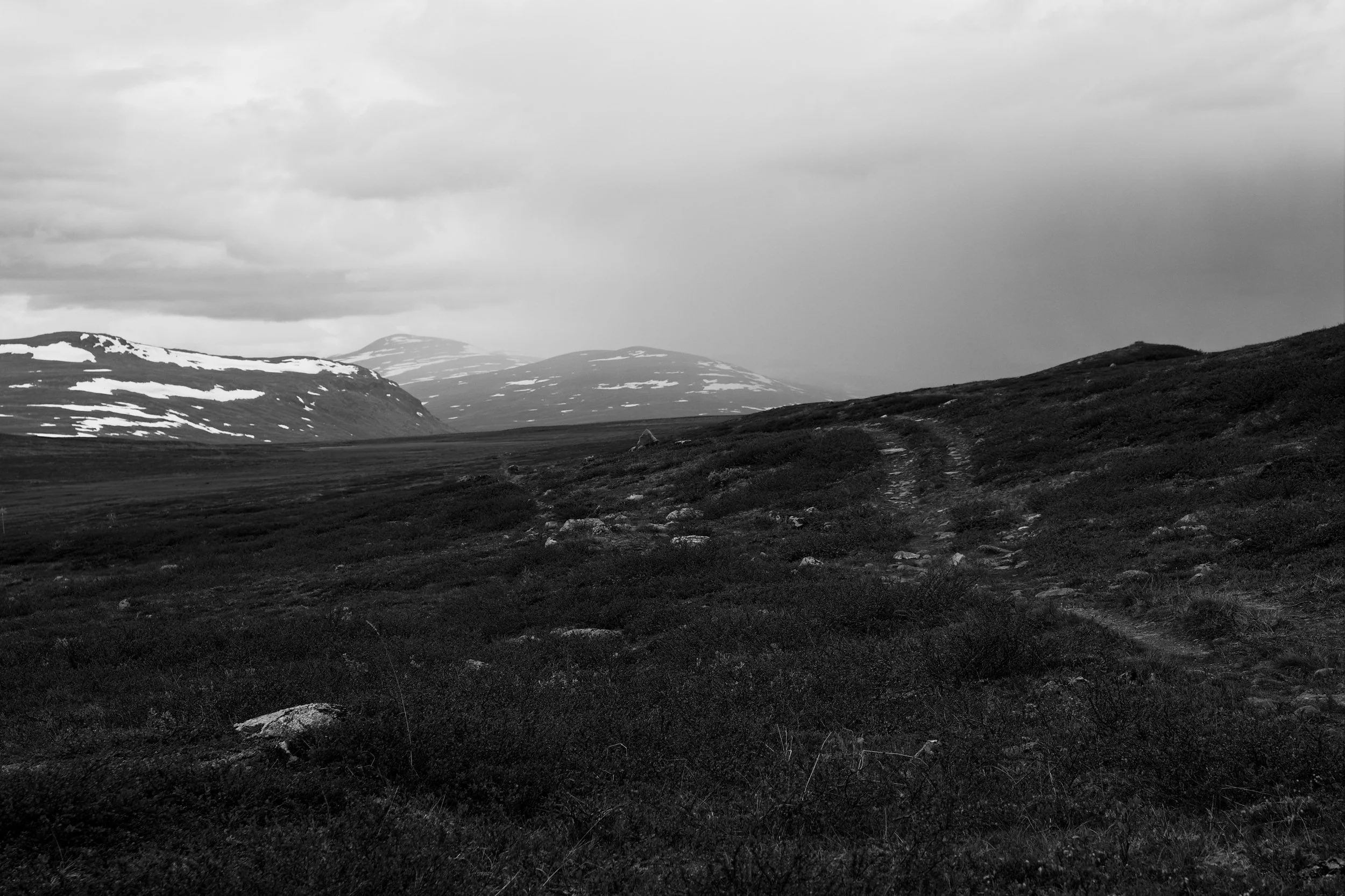
The shifting sky, from sun to hail to rain, felt like nature’s way of greeting me and preparing me for what’s to come. I leave the car at the village of Årosjåkk, 15 kilometers before Nikkaluokta, and set out toward dark clouds.
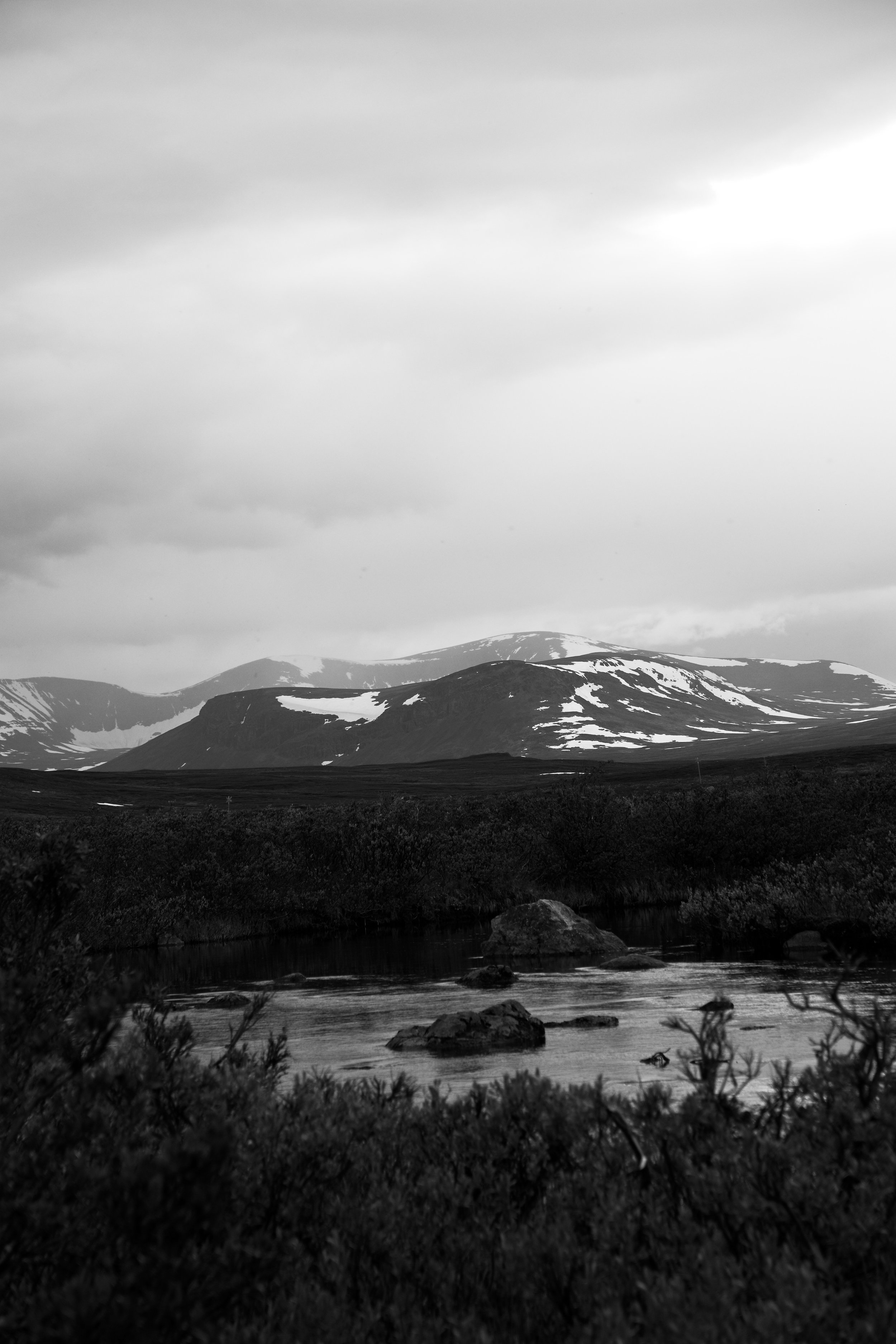
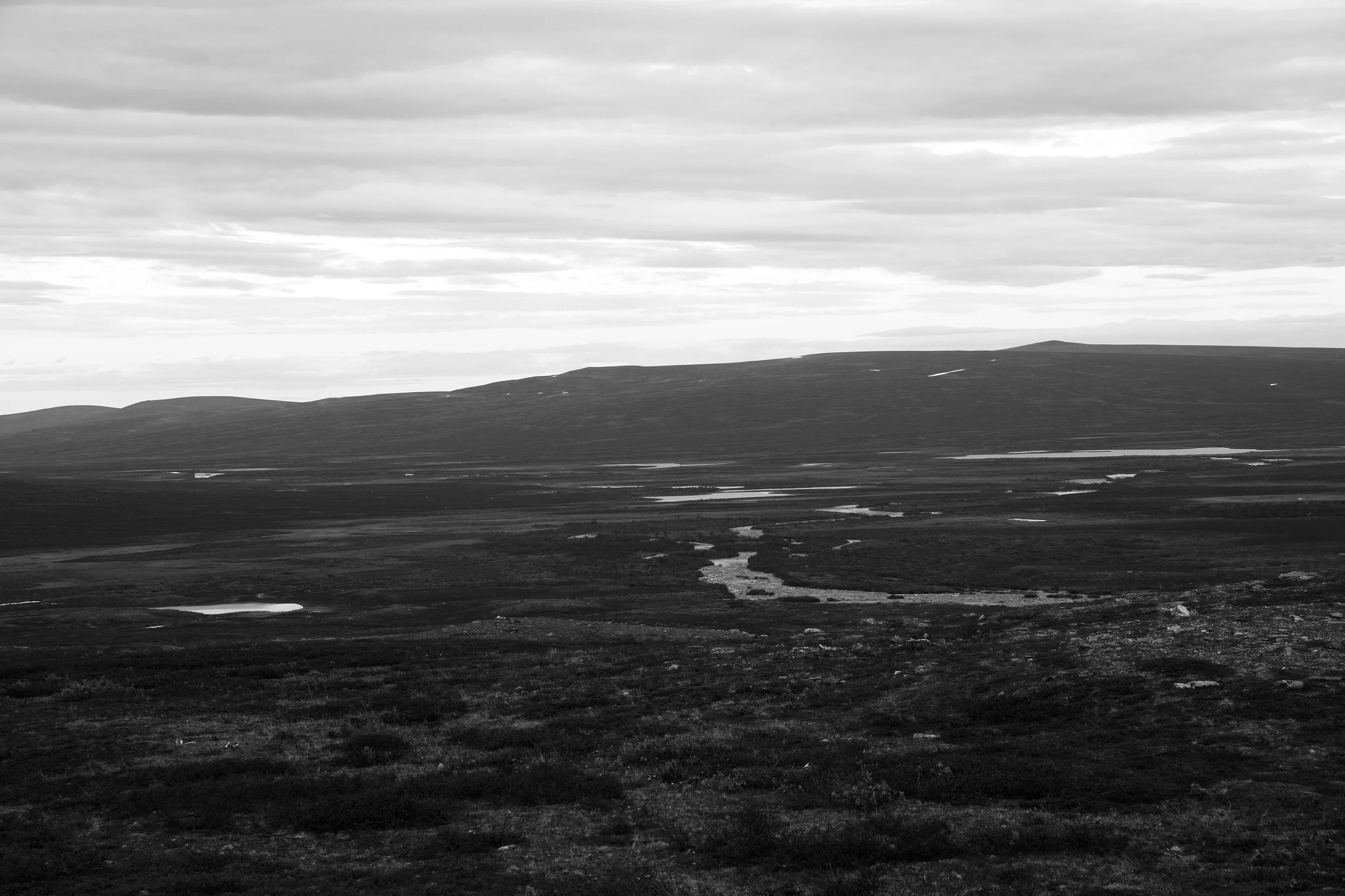
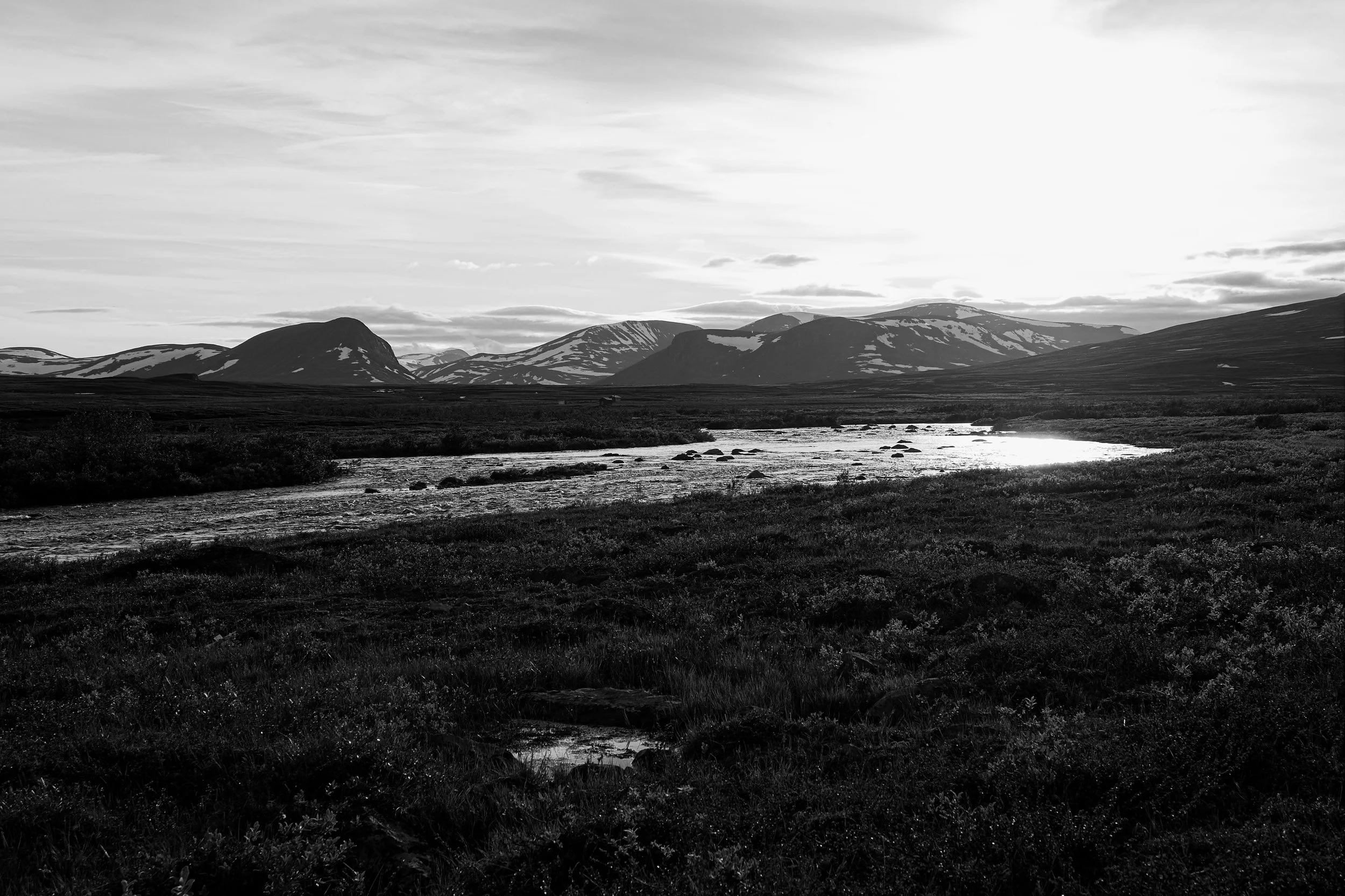
The path leads out of the birch forest toward the open fell barrens. The landscape soon opens wide. I turn from time to time to look toward Kebnekaise. The snow-capped mountains speak to me. Joy takes my heart. My hunger for adventure finds satisfaction. I am on my way. Walking on the ATV track is easy; the elevation does not change much. There are occasional stream crossings. I hike in light trail running shoes, which got wet after ten minutes of walking. I don’t stop at river crossings except to roll my pant legs higher. The shoes dry soon, just to get wet again. I accepted this years ago, and hiking with wet feet causes no blisters. After 20 kilometers I cross Leavasjohka, a long, beautiful river where I plan to fish on the return journey. I continue toward night another ten kilometers to Välijåkkå. The river stands out in its channel from afar. It is slow-flowing, varying in width, narrowing at a few points that form necks with swifter current, until the river calms again and in the pools resembles a lake more. From here, I see only downstream, where the river’s current vanishes. I prefer fishing in flowing water. I figure the best spots will be upstream. At least I hope so. There is excitement in exploring a new river, compounded by the long trek. Would I find here what I came for?
I search for a suitable campsite for the first night, sheltered from the wind in the lee of hummocks. I gather firewood as I go. Beyond the hummocks begins a wet marsh that swallows me from calf to thigh. It’s just under half a kilometer to the river. That is too far. I like to camp by the river to hear the water. I go to the bank to fill my water bag and look at the flowing water. This is what I came for. To add new waters to my collection of memories. I am a collector of Arctic rivers, but today I can’t fish. My feet show no chafing after the day’s walk, but I treat them anyway in the familiar manner with pine tar salve. A ready portion of dried food eaten, and sleep follows.
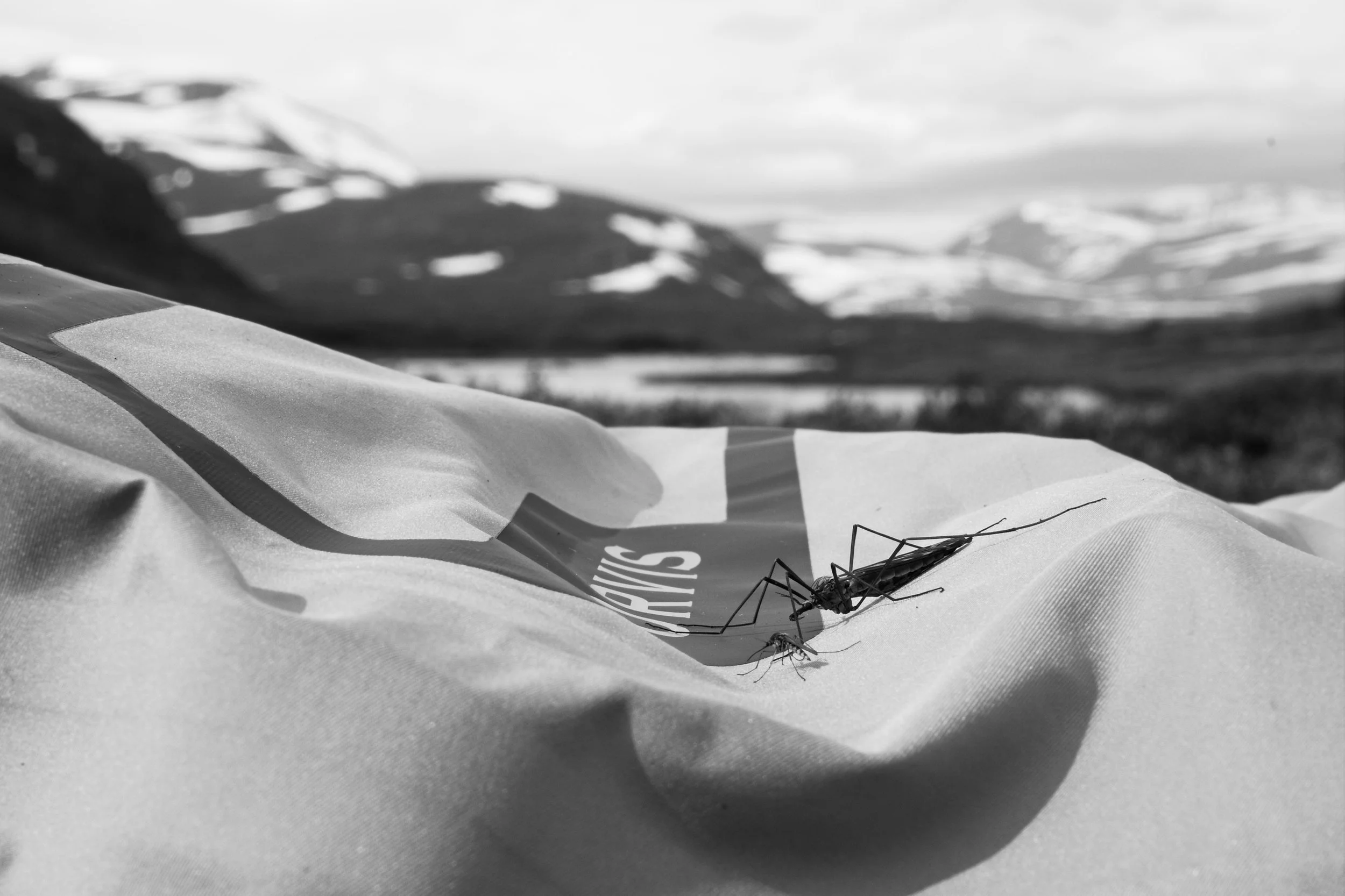
Over morning coffee, large crane flies hovering on dwarf birch branches catch my attention. A clumsy tangle of legs and wings tries to stay airborne as two crane flies travel together toward a new day. Love is everywhere. Seeing crane flies gives information about at least one fly worth trying. Trout are crazy for them. I stretch out yesterday’s exertion, test the new sleeping pad. I enjoy keeping things light, but I won’t compromise anymore on a thicker sleeping pad. The difference in comfort and sleep is significant. Big Agnes has hit the bullseye with their Rapide pads, in my view.
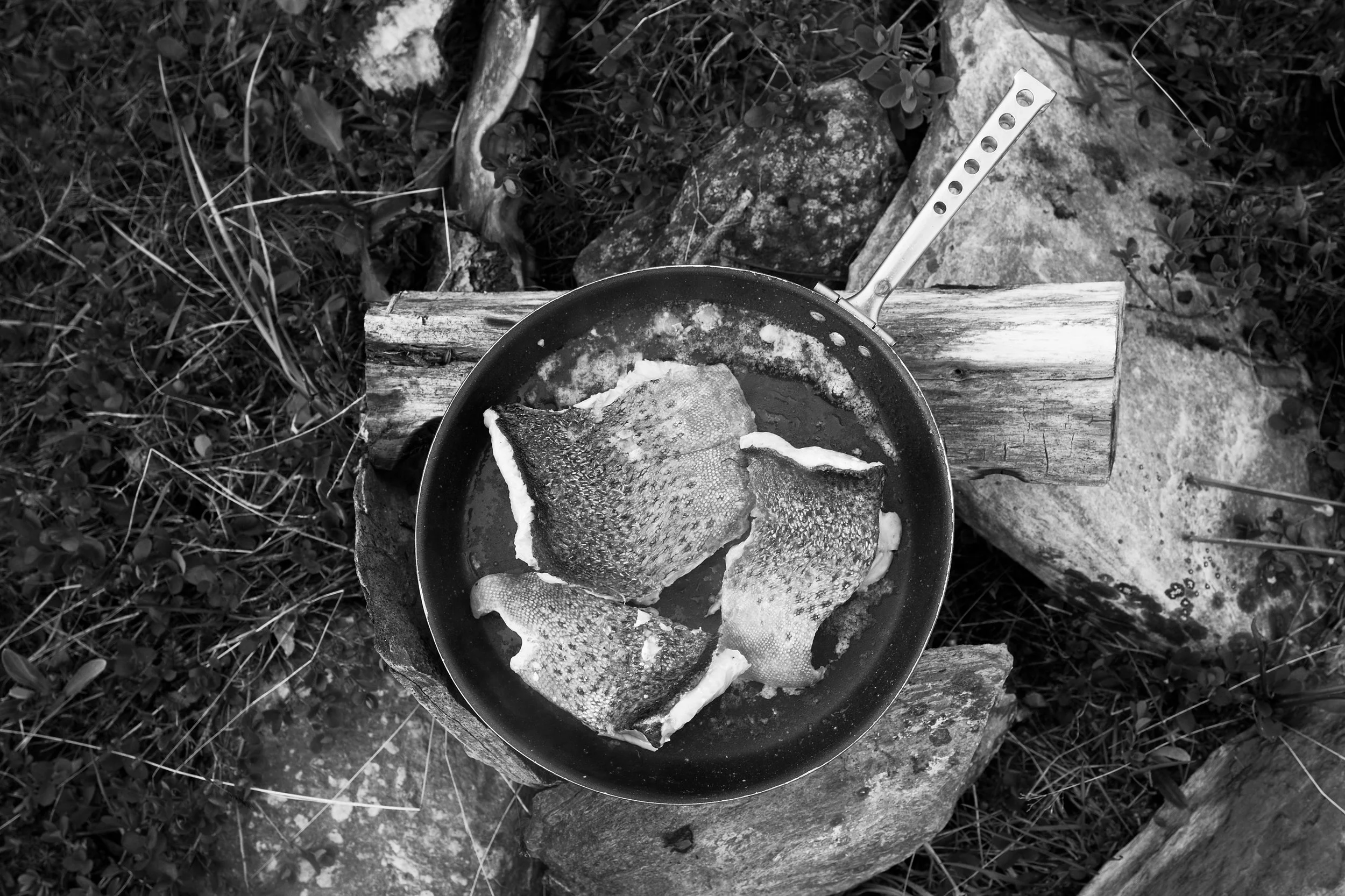
I walk along the riverbank upstream, fishing all the while. The banks are deep on both sides, and the river offers no opportunity for wading at my position. The first surface breaks. A feeding fish draws long lines in the river beside me. A caddisfly walks the length of my rod. I take it in my hand and study its movement. I change to a Goddard Caddis and get to work. I cast the fly a few meters above the neck’s throat, let the line float freely with the current, tighten at the neck and allow the fly to skate across the water’s surface. Half a meter behind the fly appears a V-shaped wake, approaching the fly slowly like a submarine, with dignity, decisively, soon with power, and my rod bends. A 45-centimeter trout takes my caddisfly imitation, and I have my first food fish of the trek.
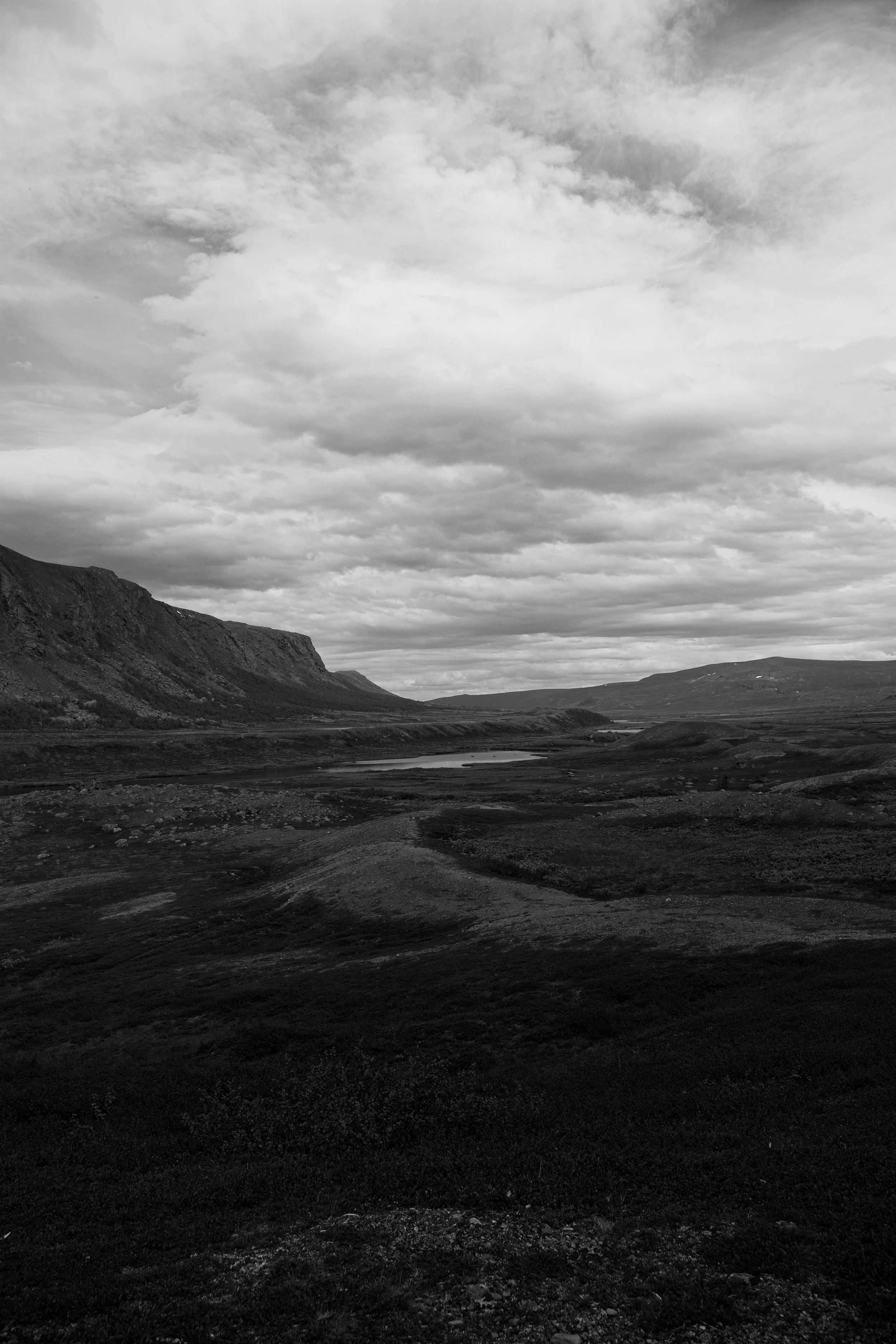
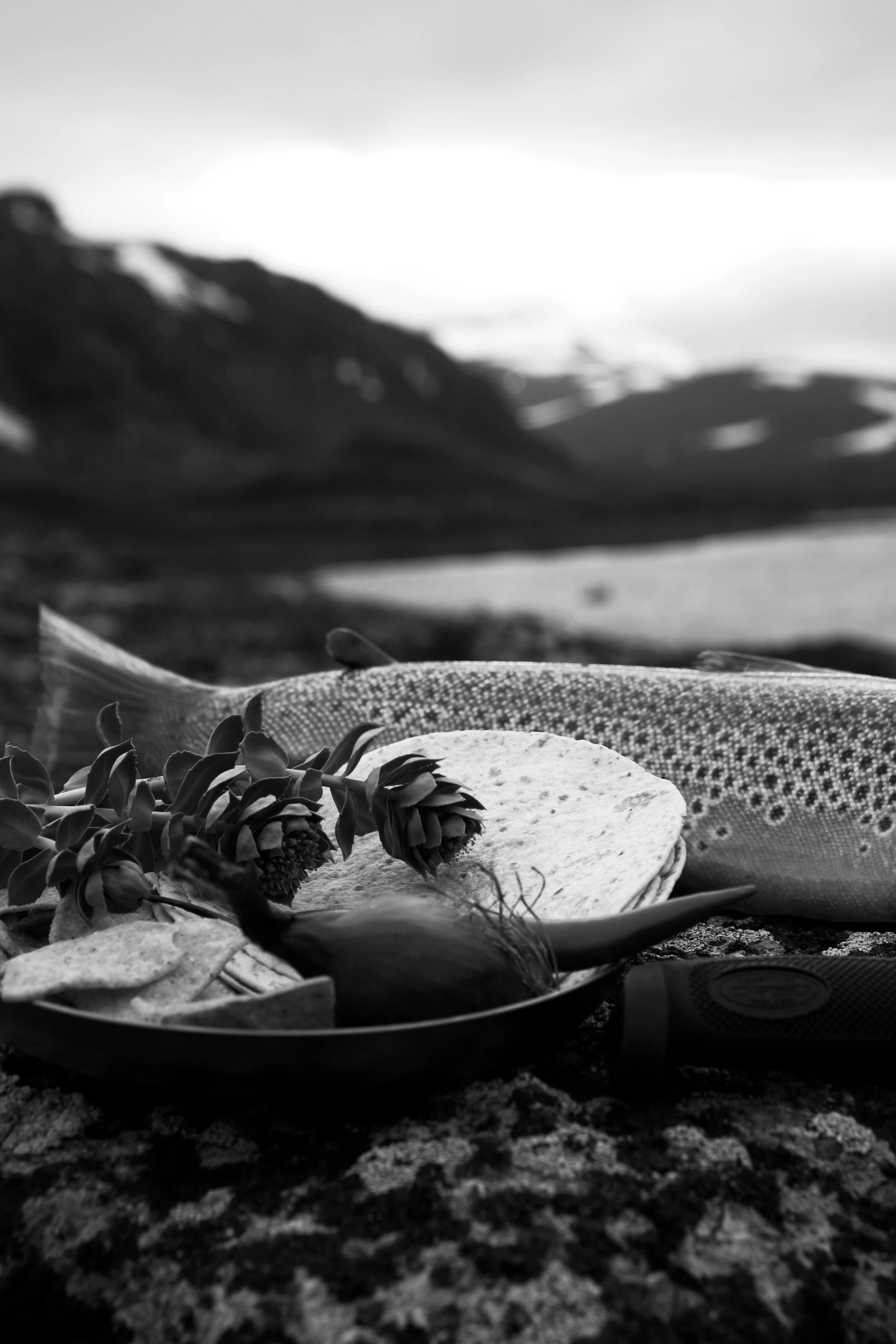
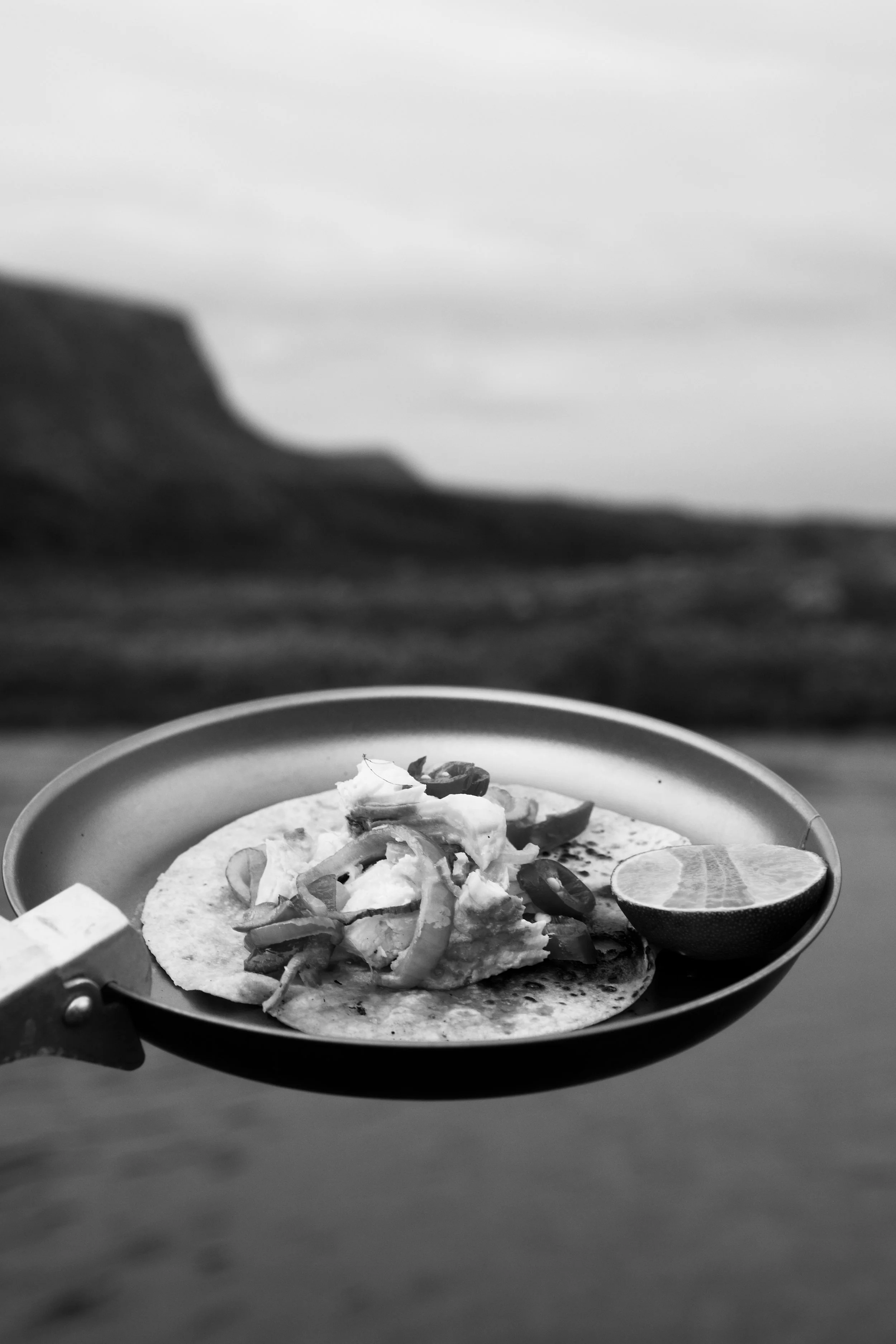
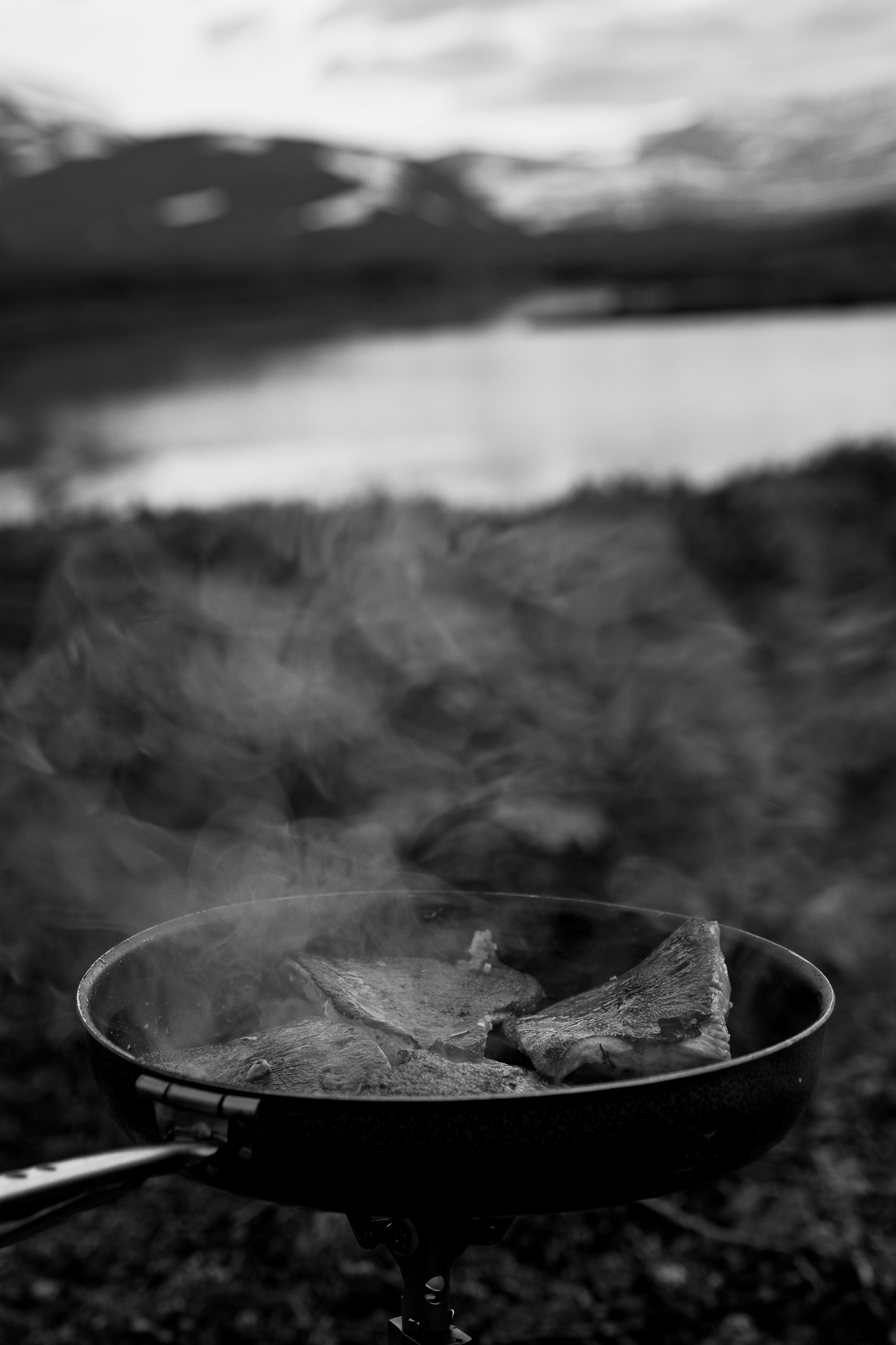
After packing my camp, I make my way upstream. It draws me in more, and I want to fish from the water, wading. The wind direction shifts multiple times throughout the day. From east to west it is warm. From the west, over the glaciers to the east, it brings cold air and cools the entire valley. I look for a campsite where I can move the tent to either side of the wind if needed. The first celebratory meal is the traditional fish taco. On the corn tortilla goes fried red onion, chili, fried trout, crispy trout skin, nacho crumbs, and a squeeze of lime. Everything is good right now. My step lightens into a dance. I let it spin. The river flows before me, a hundred-meter waterfall to my left, another across the valley—my dinner accompanied by a natural multi-channel symphony. I understand my happiness. Everything, absolutely everything, is good right now.
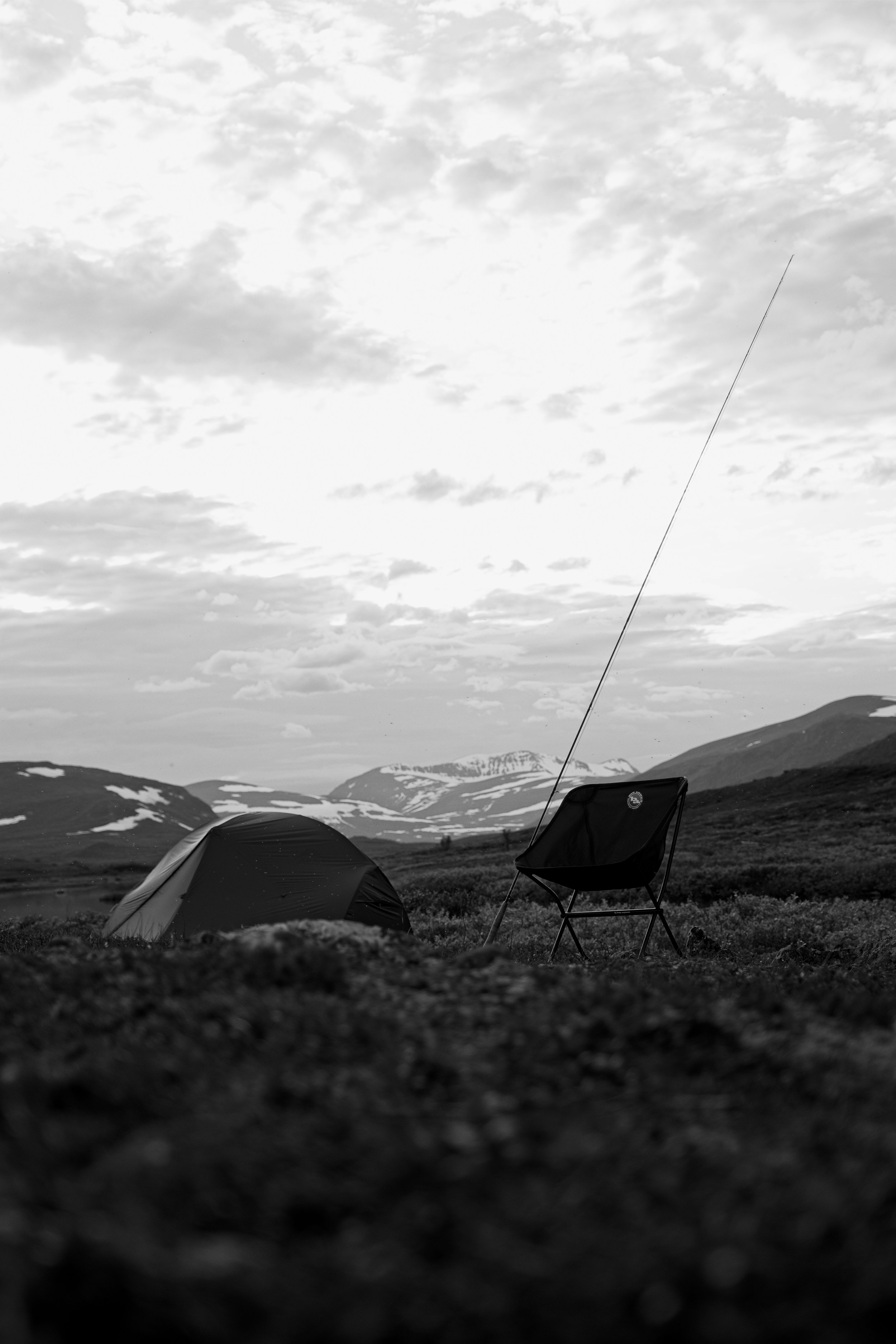
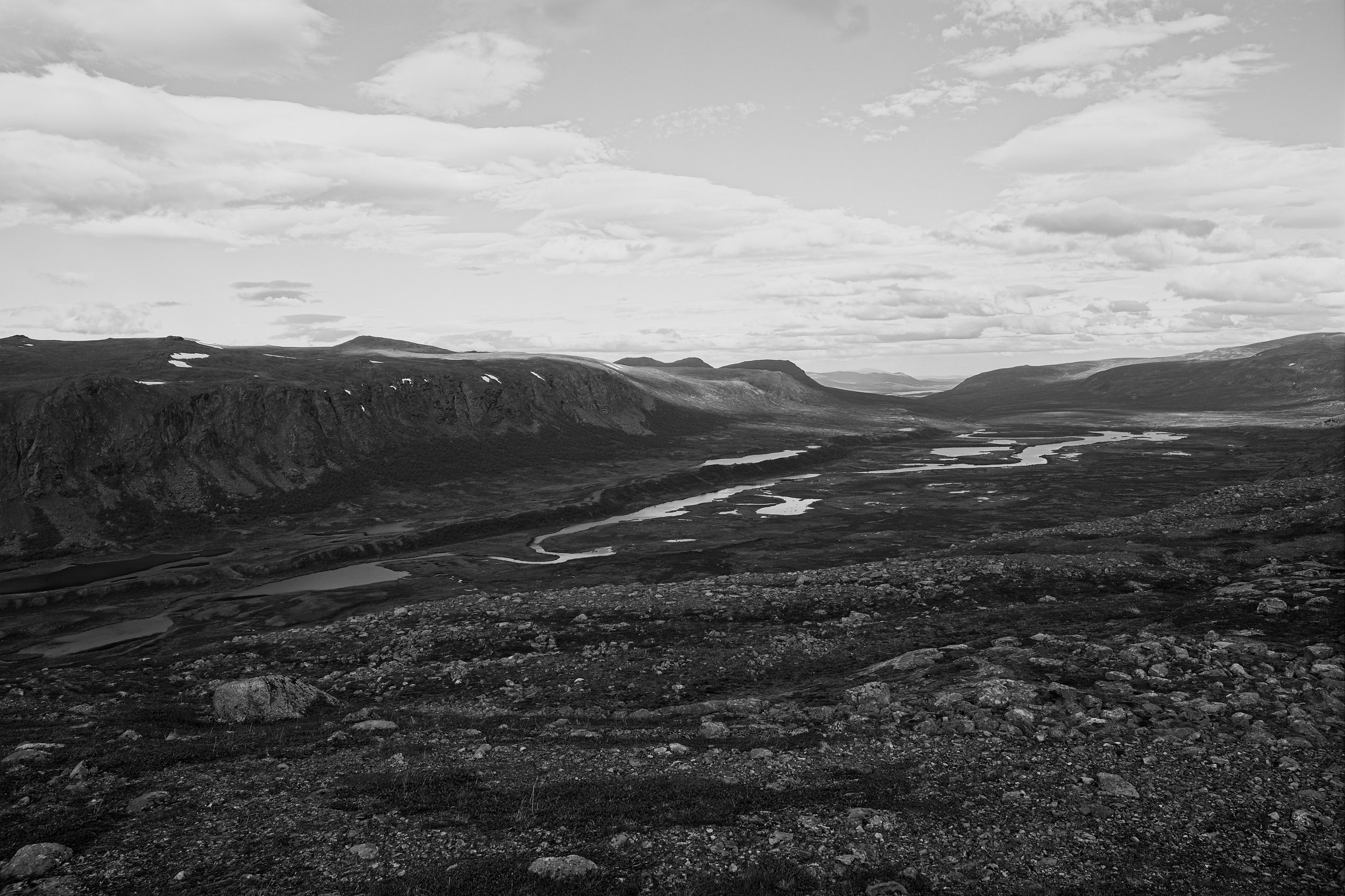
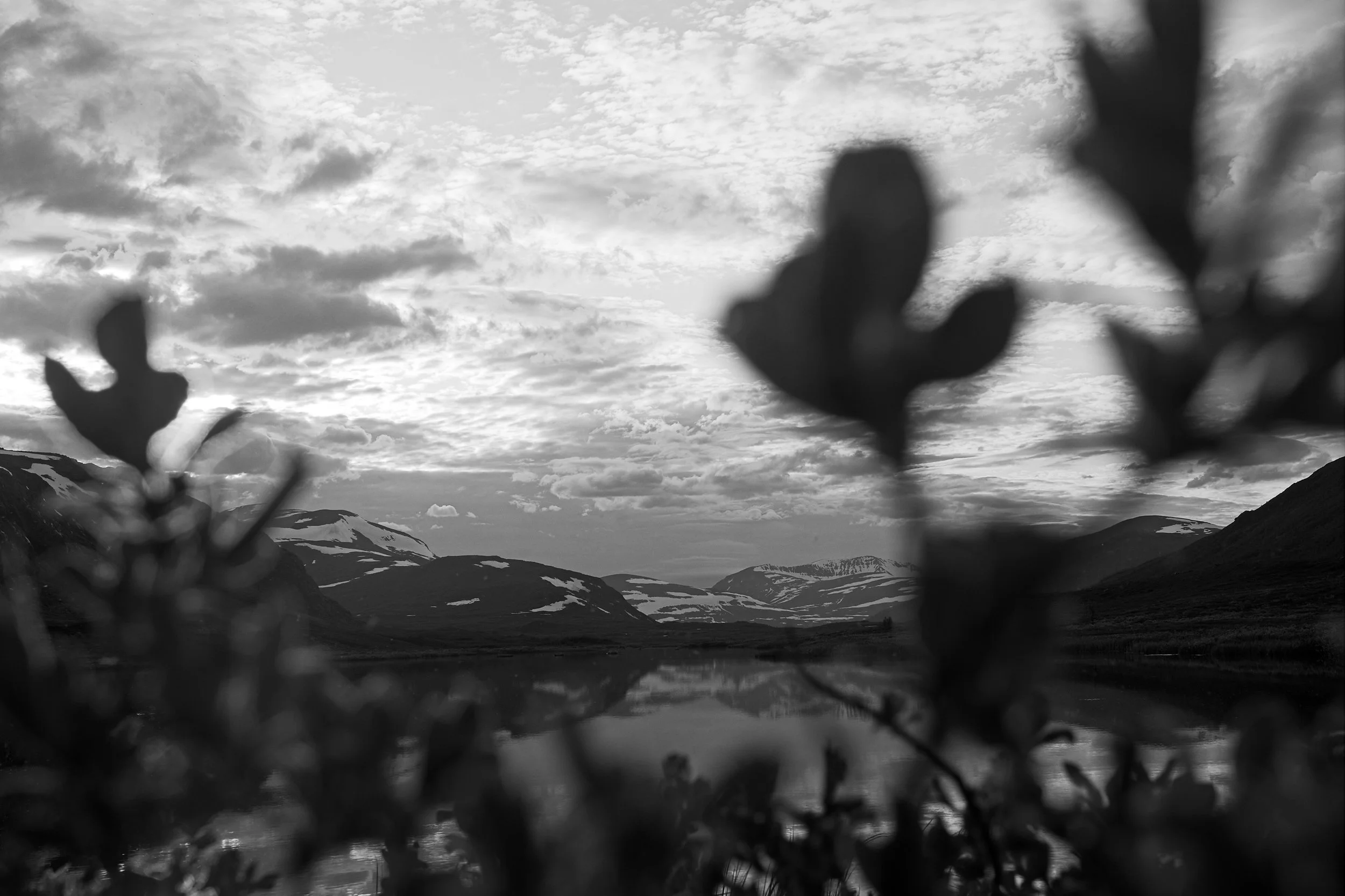
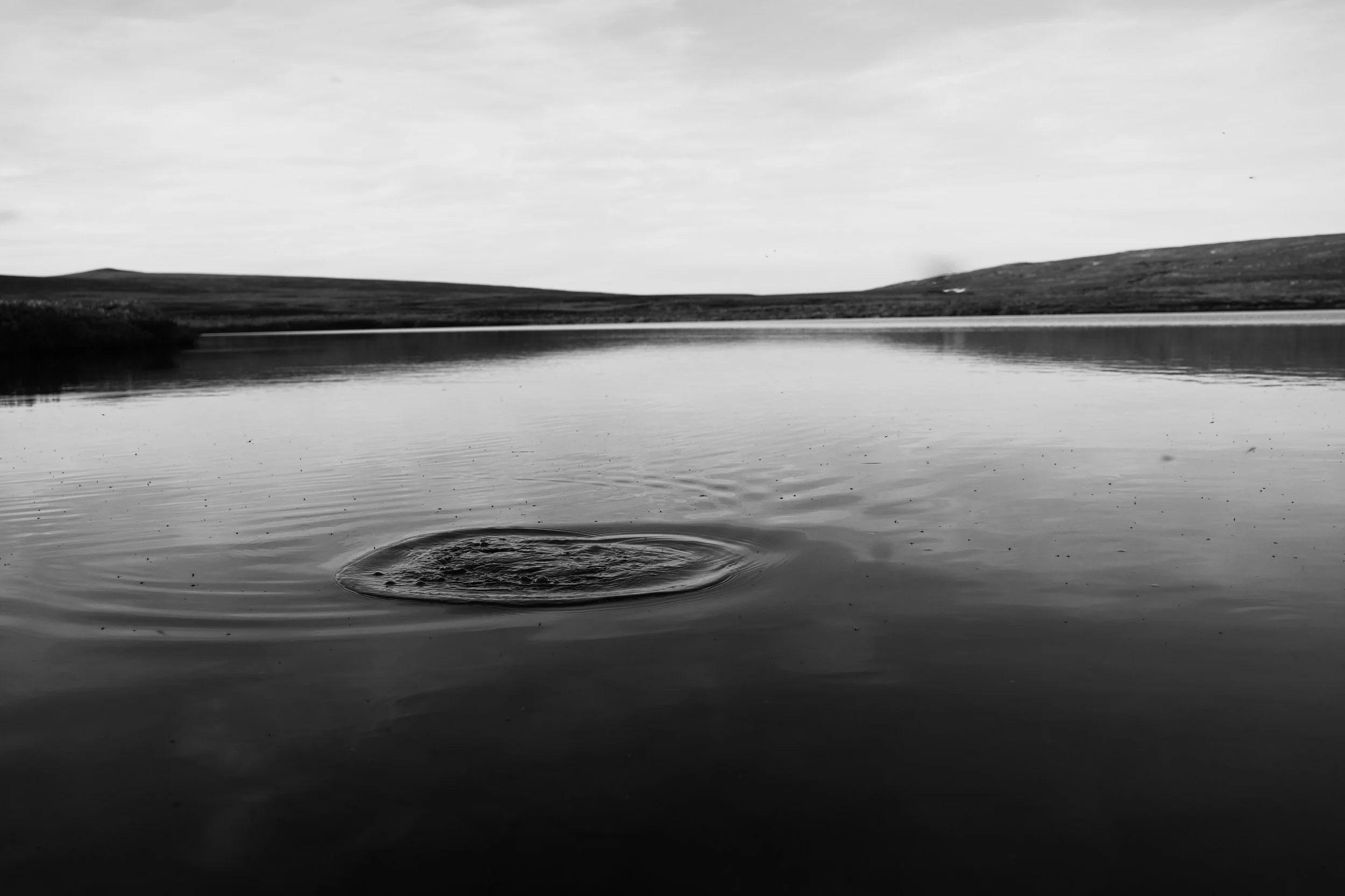
The landscape upstream to the west is like a living painting. I wake to a calm morning, set the camera on its tripod, and spend a long breakfast photographing the work of art unfolding before me. Rings form on the calm river surface, here and there, large and small. The raft formed by rings wanders slowly, swaying on the river’s surface, first meters, then tens of meters, moving from one bank to the other. The char have begun feeding. I remain watching, struck dumb, and feel no hurry. I want to enjoy my coffee in the char’s company, to photograph surface rises, to learn more about their behavior, to see the rhythm of feeding. Wind breaks the water’s surface, and the appearance of rings stops immediately. Soon it is calm again. After a quarter hour, the feeding continues, stops again when wind gets at the water’s surface. Watching this phenomenon is hypnotic. I sit in my chair—thanks again to Big Agnes—I now carry a light camping chair on my treks, about 800 grams is a fair price for hours of comfort.
Sunshine calms the wind, and to my wonder, there are no mosquitoes about. It is warm as on an Arctic swimming beach. I seize the opportunity and bathe in the icy river. No one will come here, and no one would care. I sit in my chair naked, looking at the same grand landscape, order more coffee. Having lived out my inner naturist for an hour, the sun goes behind a cloud, the wind direction turns and it bites the skin. I put on the waders. I’m wearing a thick merino shirt, mid-layer, a down jacket, shell jacket outermost, and a wool hat. In midwinter I wear the same amount. The clothing feels just right for this July morning. Changes in Arctic weather are swift and brutal.
My camp is at a river bend that first squeezes into a neck, followed by a mirror-smooth section where the depth varies from several meters to ankle-deep water. I wade across to a small island, to the edge of the current. Fish are rising within casting distance. Soon trout are taking eagerly the crane fly imitation I offer.
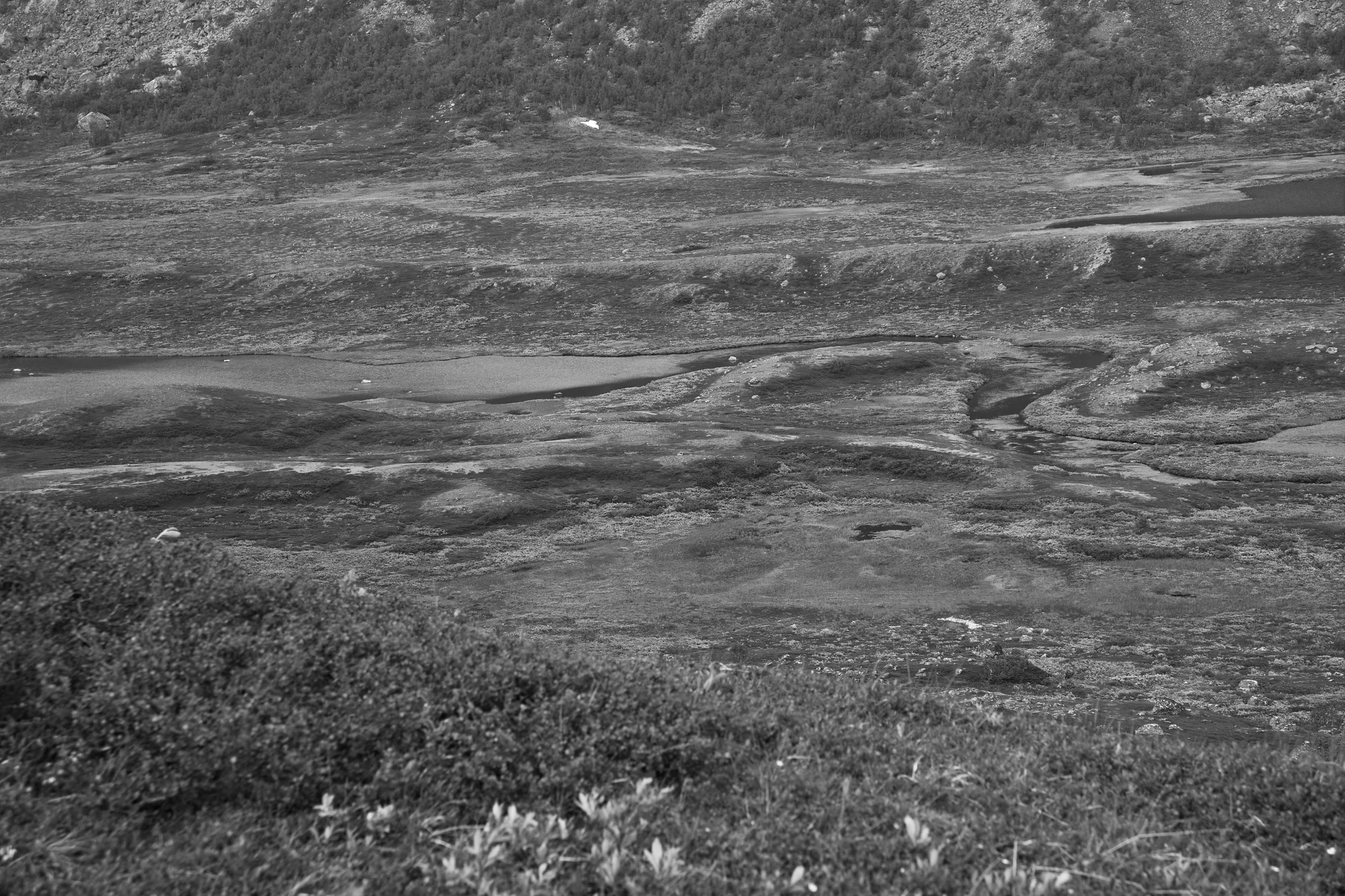
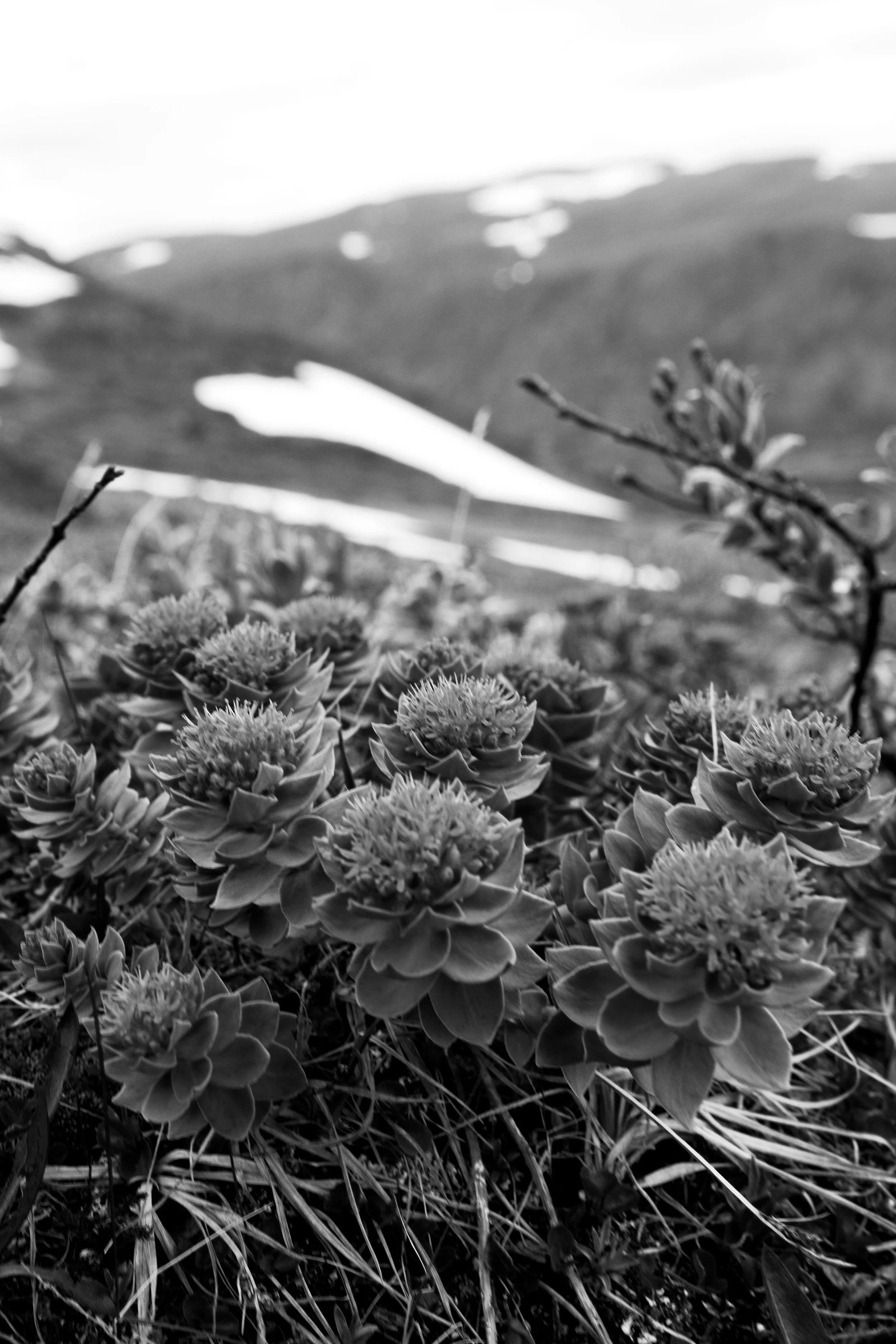
I gather roseroot, Rhodiola Rosea, from a place where it grows in abundant bloom. I chop root pieces to dry. At home, I’ll put the dried pieces in vodka and let the extract mature for a few months. The scent of roseroot is intoxicating, as if you were walking in a rose garden. Its taste carries me to the wilderness. I enjoy the potion in midwinter, far from these landscapes.
Walking upstream, I see rocks bearing the markings of past times. Perhaps some of them are Siedis, ancient Sámi cultural items. At the foot of a steep wall, I find caves with small animal bones, a half-eaten reindeer head, and larger remains. It is magnificent to encounter signs of life like this. There is a powerful presence of timelessness, of true wilderness. By the river lies a small cove where a familiar pattern of rings break the surface. The water is one to two meters deep. It is full of feeding char. I am in an angler’s heaven, in a noble academy where I may study their nature. Testing how they react to my casts, to the side, straight onto them, over them, I study what they fear. They startle at the fly line but not the leader, not the rod’s movement, not my voice, not even my shadow. They come so close. I wade onto a rock, the bottom soft with sand, my boots sinking deep with each step. I watch the char like aquarium fish. Soon they circle the rock where I stand. I can’t believe how close they come.
I try a few flies. The char are cautious. Not greedy at all. How could I get this fish to take best in still water? What are they eating right now? A caddisfly appears on the water’s surface from nothing, as if teleporting from a subsurface dimension without leaving a trace. It searches for its wings. They open delicately. The first wing beats. The caddisfly spins and seeks flight feel for a few minutes. I wait in suspense—will it take flight, or is it fated to die young? Airborne!
A caddis hatch is underway, and fish eat pupae rising from the bottom. The insects are undergoing transformation between the larval and mature phases. I tie to the end of my line a pupa imitation that floats in the surface film. I find a moving fish, cast well ahead of its swimming direction, pull the fly in at intervals, gently breaking the water’s surface. I see the char take the fly in its mouth gently and continue swimming, but I don’t yet feel a strike in my rod. Seeing this taught me a lot. I understand better why sometimes with char you don’t immediately feel the strike, and why sometimes it seems they take better if you fish with a looser line.
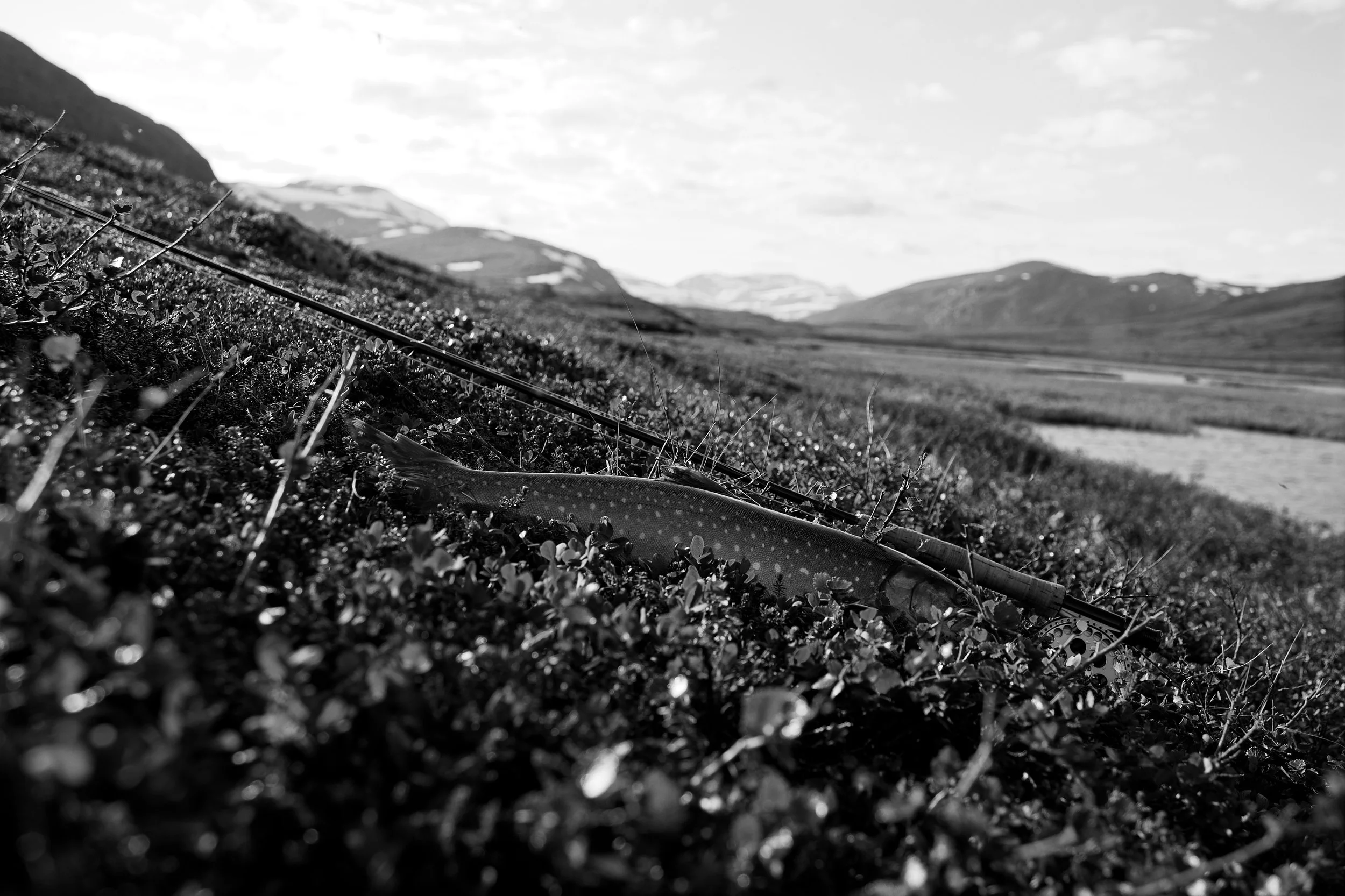
The fight has begun. Through the rod, my arm, my heart, I experience the primeval power of icy waters! True to form, char do as they please, and this one does not intend to surrender. Char have this interesting way of saving their last strength for a last surge, as if knowing the angler seeks this moment, and it will not give in. This is all the angler’s imagination, of course. The fish is strong. They always are. These are among the most magnificent creations. Their allure brings me here, to the middle of the wilderness, to walk two hundred kilometers under the midnight sun, in love. I am, I live, and I honor this fellow creature at the end of my line. I get the char into my net and leave the rock toward shore. In my enthusiasm, I have forgotten that I waded to the rock from another direction, and how soft the bottom was at this point. I am already airborne. In the second it takes to descend from the rock toward the bottom, I have time to think through how this will go, how soon I will swim, how I will sink. The fish must stay in the net—nothing else matters now! The playing battle changes to an evening swim. With clumsy swimming movements, I thrash myself to shore, net held high. The fish is safe. I am wet up to the neck. I laugh like a madman, howl to the fjells and the sky.
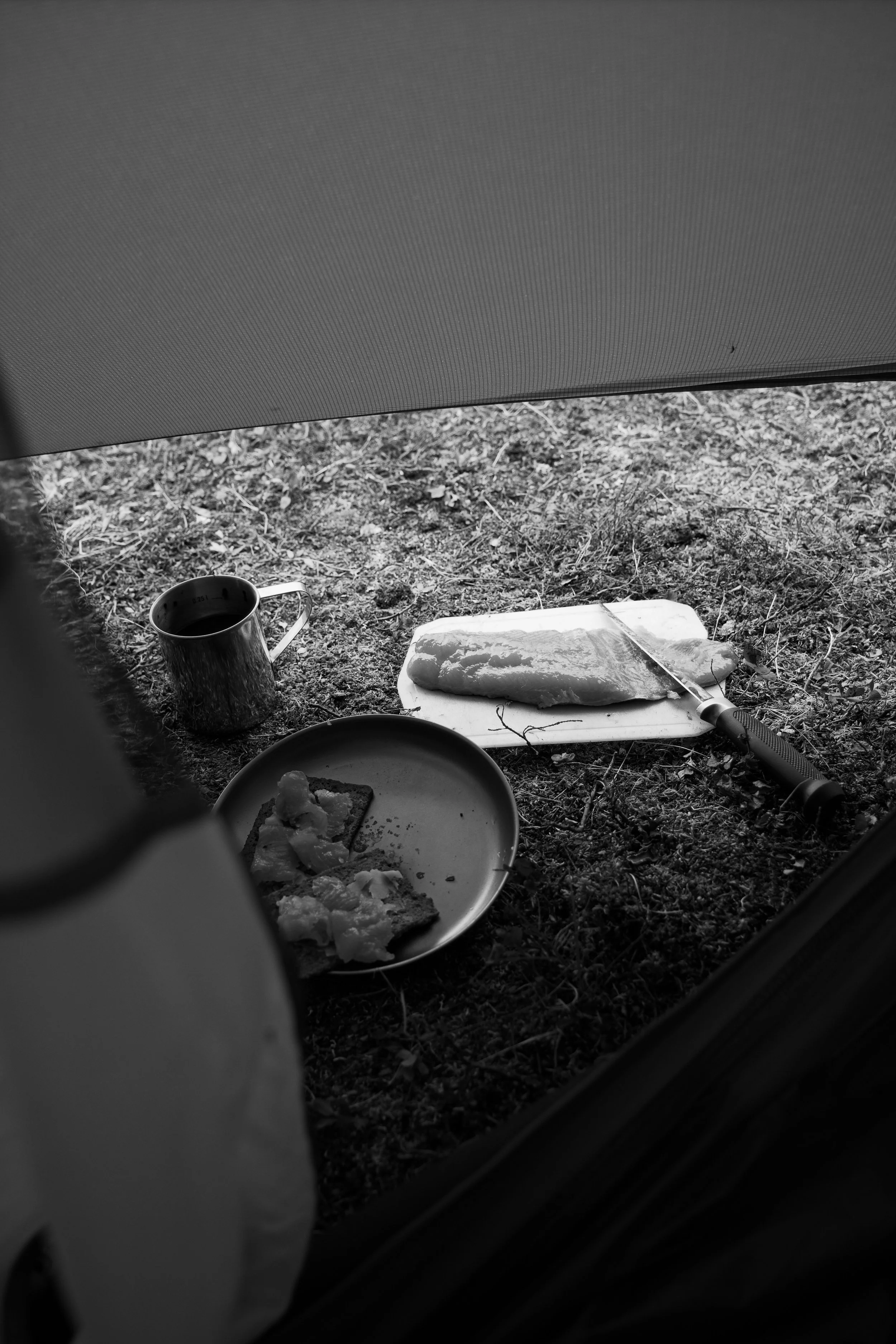
My waders have filled with water. It is evening, and the sun is setting. I better act quickly. Waders off and into the dwarf birches to dry. On my phone, I keep a small selection of music, instrumental and blues, for rare moments when I want to hear something other than nature. Tommy Guerrero’s rhythms accompany the ceviche preparation. I photograph the char for the record and fillet it. Camp is three kilometers away, and I have no change of clothes with me, only the camera and ingredients needed for making ceviche. I hope my waders will dry a bit in the setting sun. I cube the char, cure it raw for about five minutes with lime juice, add chili and red onion to the plate. Arctic char is the best fish you can fry in a pan; as ceviche, perhaps even better, hard to judge. In the wild, the eater’s state of mind shapes the taste of the fish. Arctic char ceviche, nachos, seed crackers. My goal is achieved. In my shirt pocket, “White Sands” plays from my phone, and I dance again, dance free, in wool socks and underwear, a dish of Arctic delicacy in my hand.
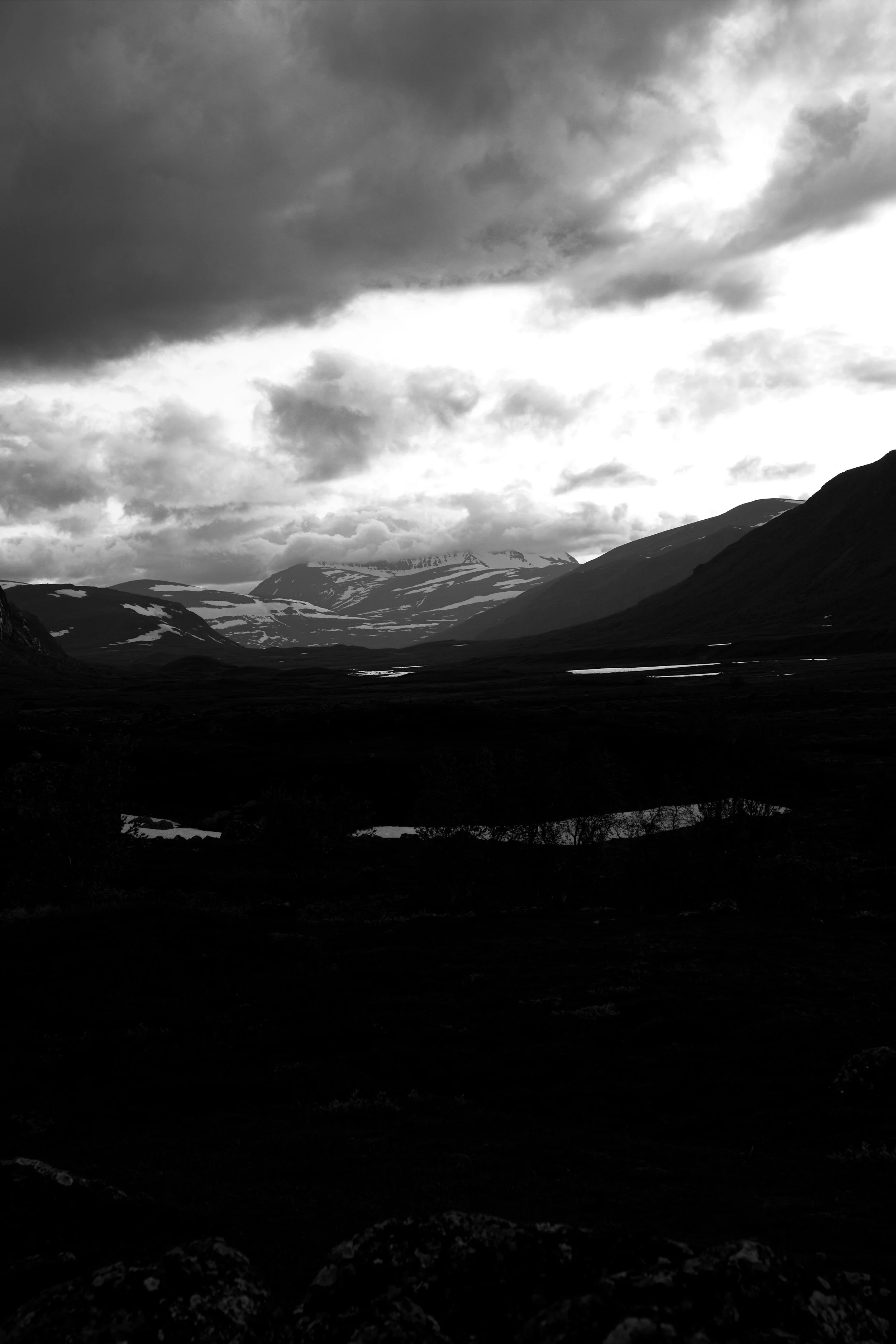
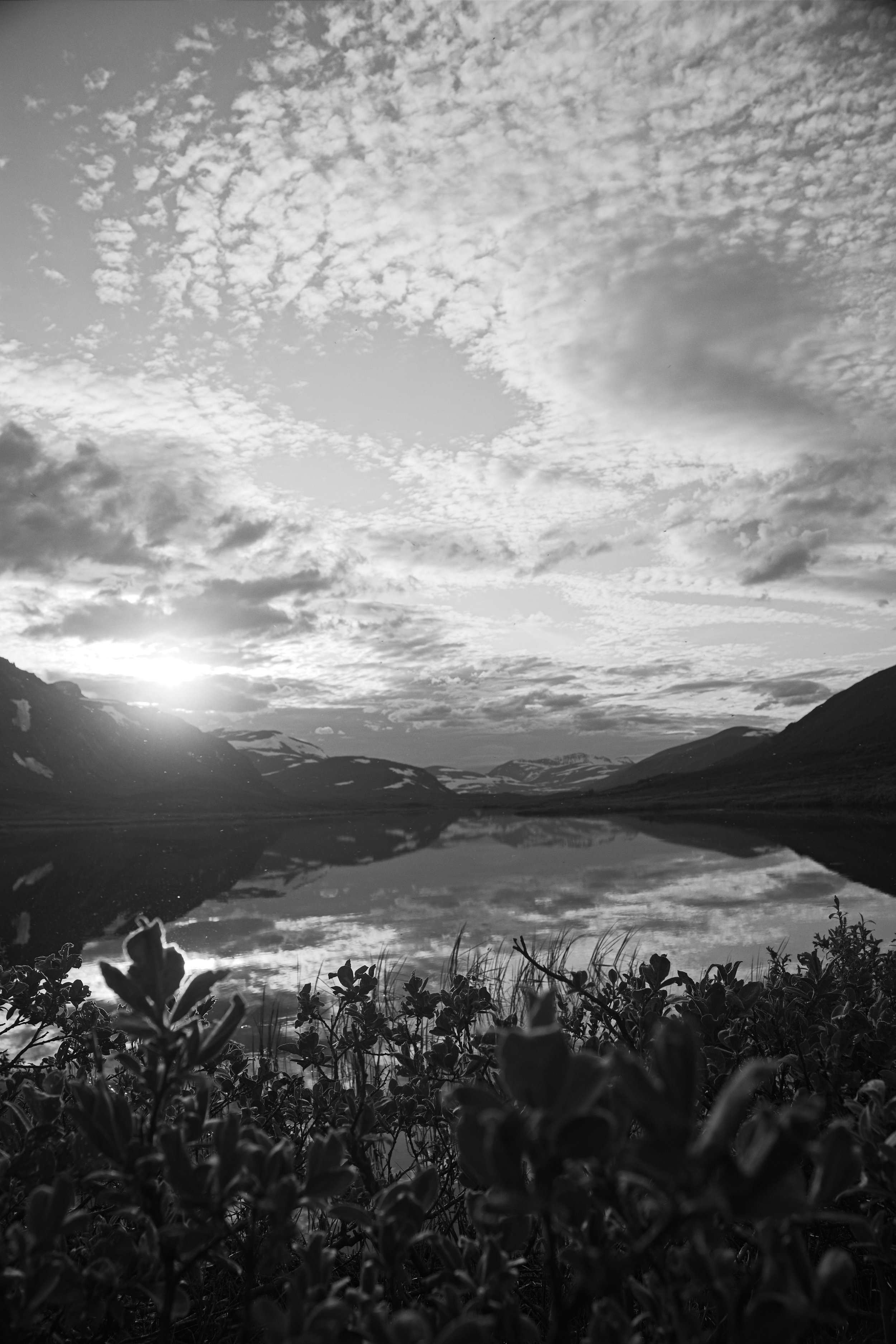
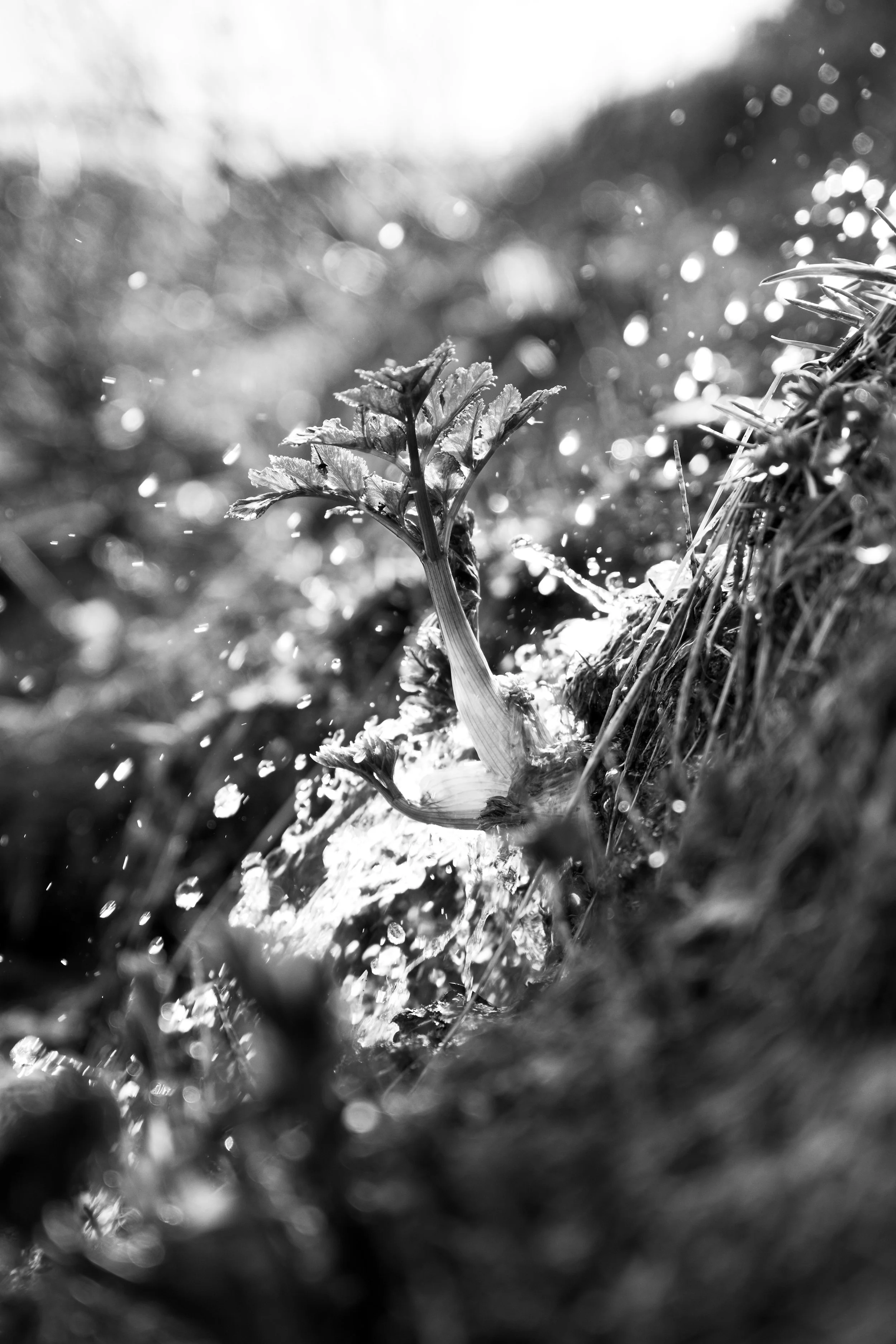
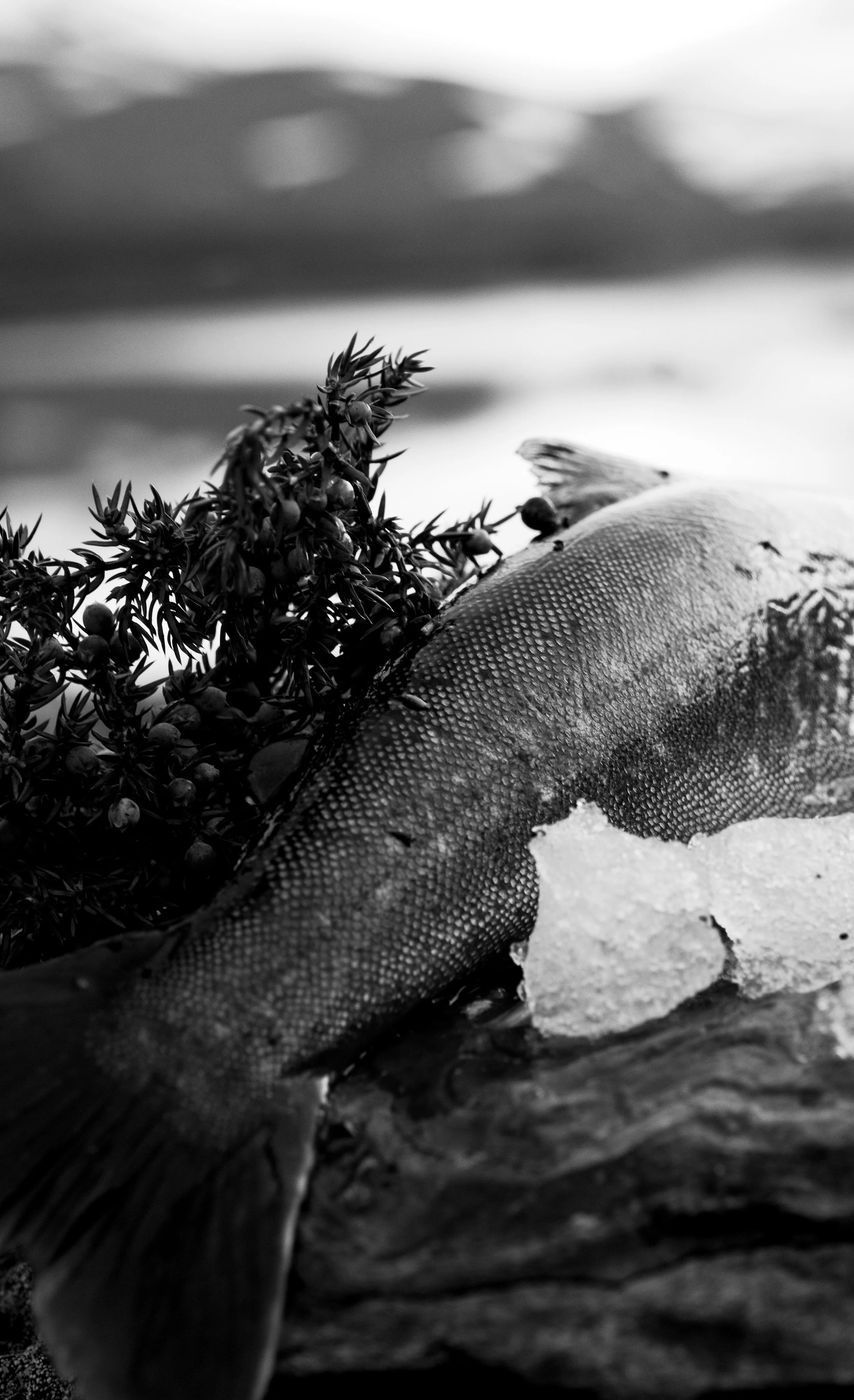
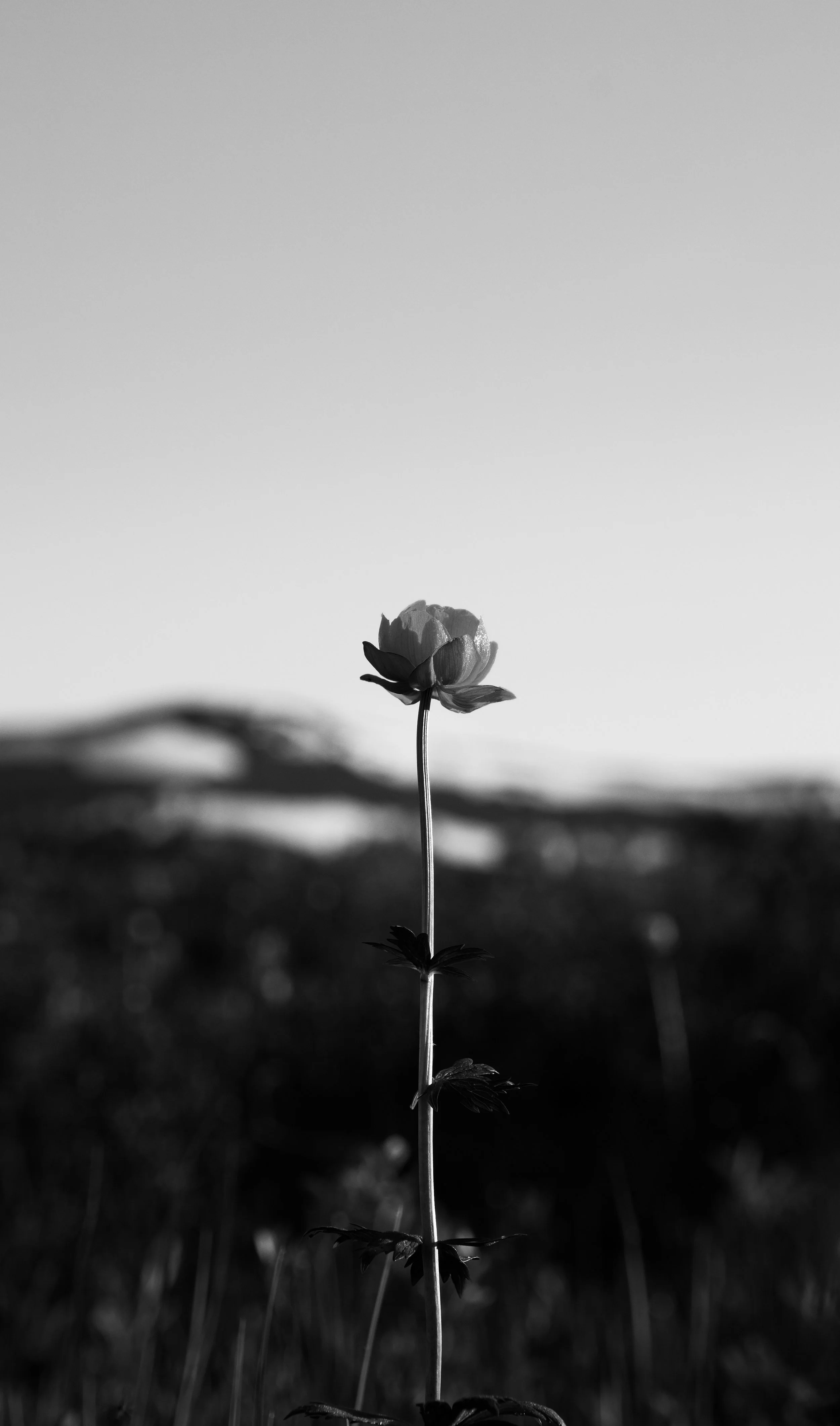
My journey continued for several more days in the wilderness without encountering another soul. I photographed Arctic flowers and endless valleys in the bright midnights. I climbed to the fells, up walls seeking views to the horizon’s continuing valleys. I spent rainy mornings in the tent enjoying gravlax-cured char, for which I made a refrigerator overnight in a rock hollow lined with snow. I walked a day’s journey upstream to a promising river, only to find a rocky chute where gray glacial water flowed. On the last evening, I enjoyed a cold beer while admiring the sunset, and I had not carried it with me. I found it about two hundred meters off the trail, near my final campsite by a small lake. The surface was filled with rings and delicate swirls. Waiting in the shallows with my camera, I saw the char come to greet me, bid their farewells, so I thought. I was in paradise for days.
Writer, photographer © Jukka Tallinen.
If you enjoyed this story, please check back later for more. I have written a book set in Arctic wilderness and am currently exploring publishing options. Updates to follow!