Aliseatnu
~1900 words, reading time 8 min.
In July the sun does not set in these parts. As the nightless night begins, I lift the pack onto my shoulders and look towards the fells that rise beyond Lake Torneträsk. I understood the distance that lay ahead of me, but in my eagerness I did not understand what it would demand. I planned the route with the help of a map, without paying too much attention to elevation changes, wetlands, river crossings, or thickets. A closer look would have revealed that some sections of the route were, at their worst, impassable.
This happens when I set out toward a new destination. It matters nothing that I have just spent a day in a car, I cannot stop when the journey ends, not when the alternative is to walk. The trail must go on when the destination is a new river.
To reach the trail from the Kaisepakte car park, some twenty kilometers before Abisko, one must cross the railway line running between Kiruna and Narvik. Balancing over the tracks brings back childhood games beside the rails near home. It was forbidden, of course, but the smell left in the wake of Russian chemical wagons, the wet puddles, the fragments flung from the carriages, were simply too interesting for us kids growing up along that riverbank.
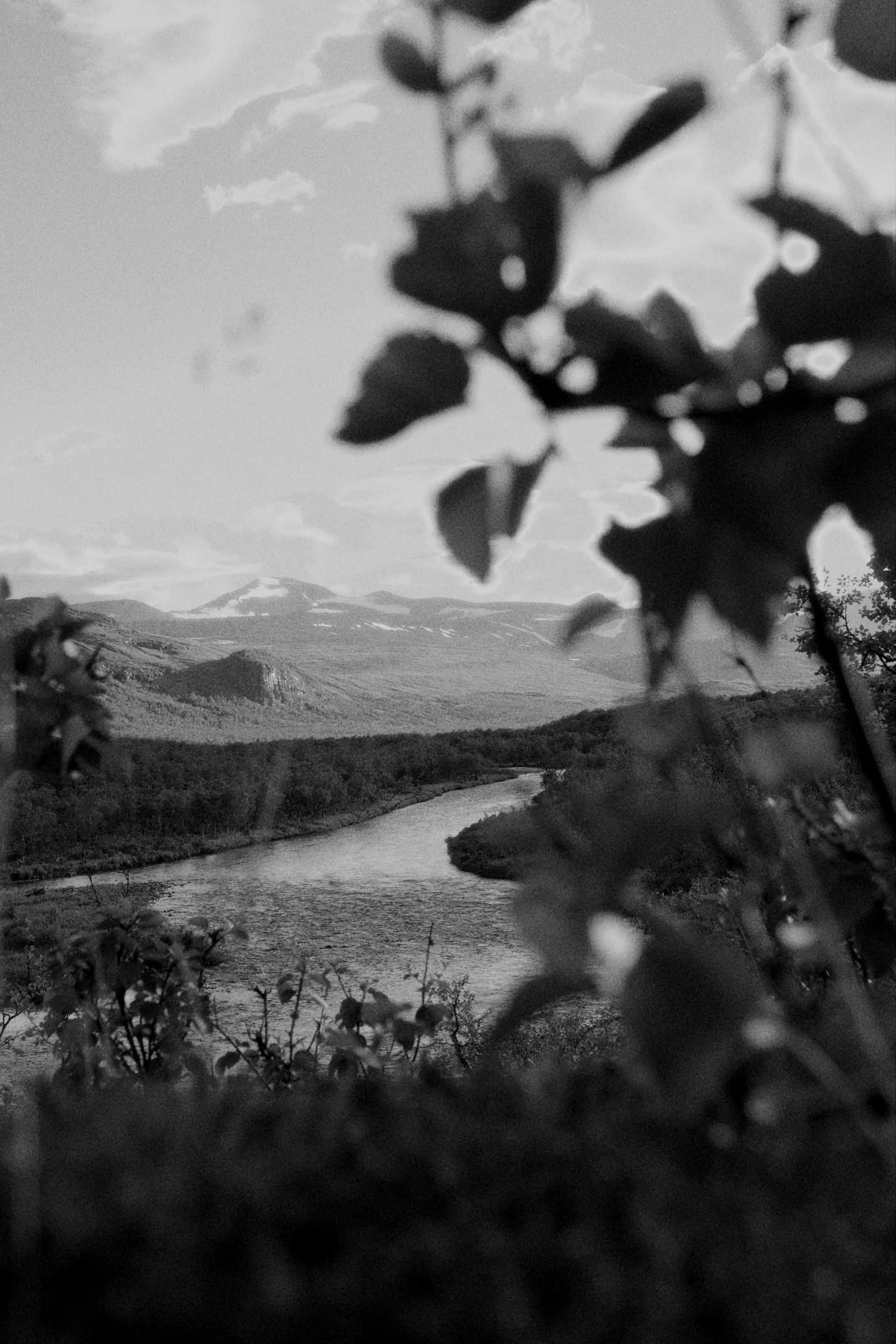
Beyond the tracks, the path sets off toward Aliseatnu, a river running along the valley floor, surrounded by great fells, large enough, perhaps, to be called mountains. I would walk twenty-five kilometres to reach it.
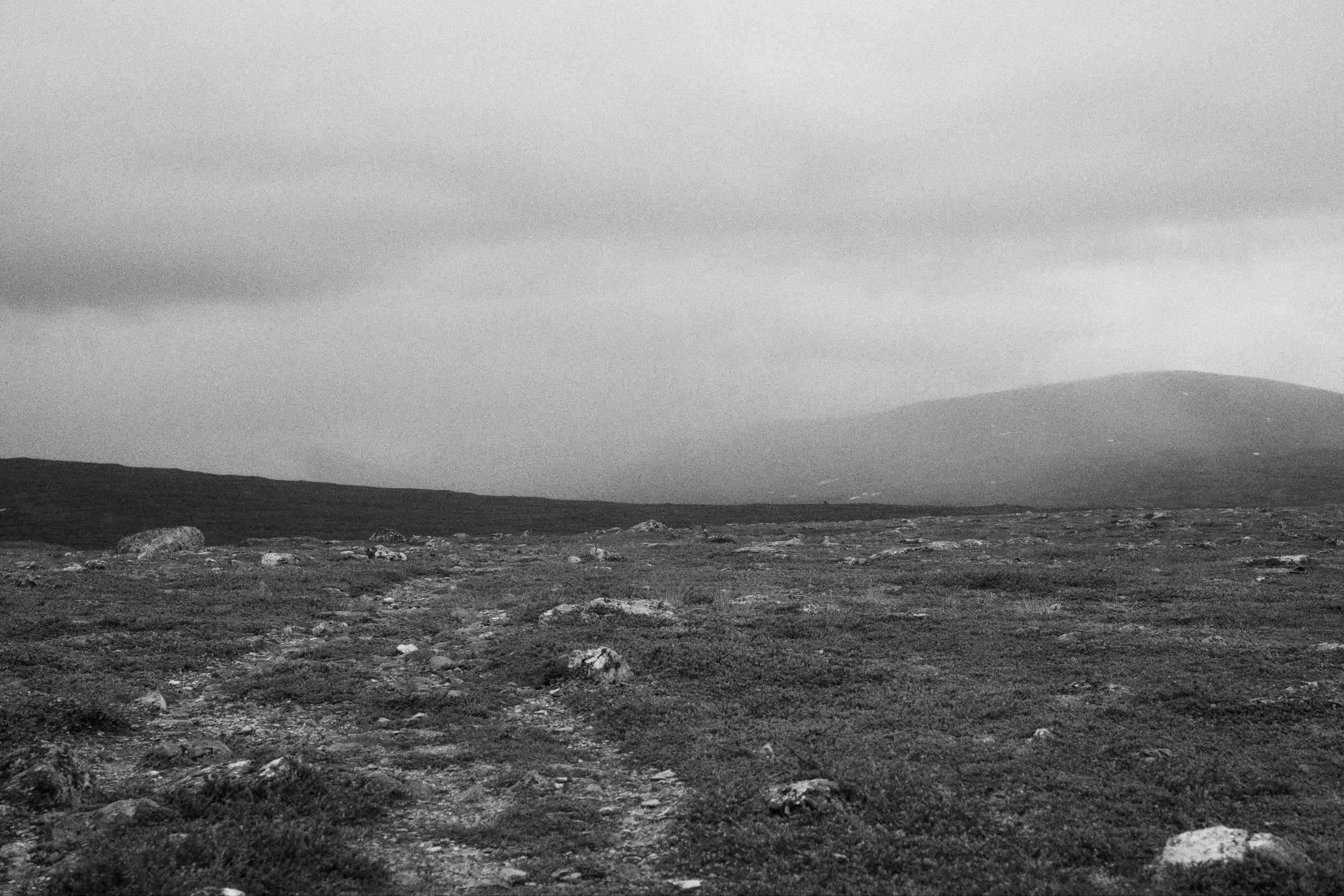
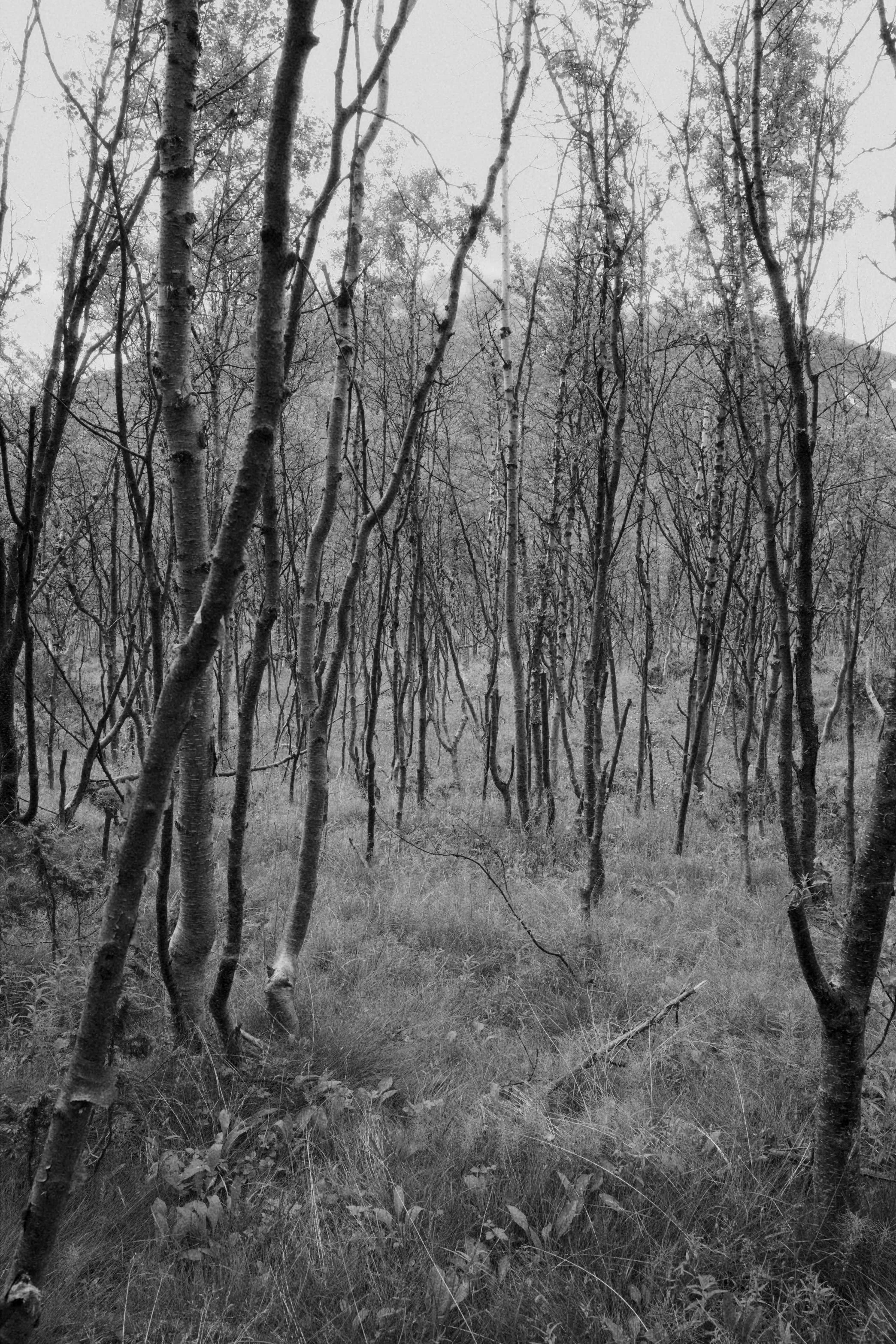
The climb keeps the landscape behind me in constant change, and I walk as if toward a reward. Does it look different yet? What about now? I’ll carry on a little further and only then turn to look — and of course! The birches swallow the entire view. The mountain birches chime in the northern garden, lulling the mind toward calm, while my watch reports that my heart is beating a hundred and fifty times a minute. The moment distils what all of this is finally about — contrasts. Cold and warm, harsh winter and a growing season of a hundred days in full flower. The beauty of the landscape, the stony fell slopes and the boundless green. A solitary wanderer retreating into silence and the abundance of nature in what you see, what you hear.
The wet path and the mountain birches flanking it make the zone a portal into the wilderness, and I am searching for the perfect angle to frame the view. Click. Leaves tiny, trunks crooked, trees, all the same. It’s all new ground at last. Unfamiliar landscape, step after step deeper into the unknown that would become familiar over the course of a week. I count my earthly wealth in rivers I know, in valleys, in scents and the force of wind. Against these, money, possessions, and success carry no weight. I have been self-employed for nearly thirty years, perhaps a poor excuse for it, since I have no desire to sell anything and money offers little motivation. Being my own boss, for all its reluctance, has made creative freedom possible. What is genuinely valuable, though, is intangible, it cannot be placed in a column below the line. If anything settles below that line, I would want the currency to include my moments beside these rivers, time spent in the wilderness.
I cross a small river and linger over the thought of making camp here. There is no hurry, the river flows gently, snow-capped fells behind it. This is what I came for, landscapes like these, but this river is not my destination. Quick decisions unburdened by greater responsibilities, one of the many perks of solo hiking. It is easy to surrender to the walking, especially now that the climb has given way to plateau. On the far bank the willows grow two metres tall, impossible to push through. I find, luckily, a track cut through them, made perhaps for snowmobiles or an ATV. I marvel at the rare open lane through the jungle of wrist-thick branches, whose detours would otherwise cost a great deal of extra effort.
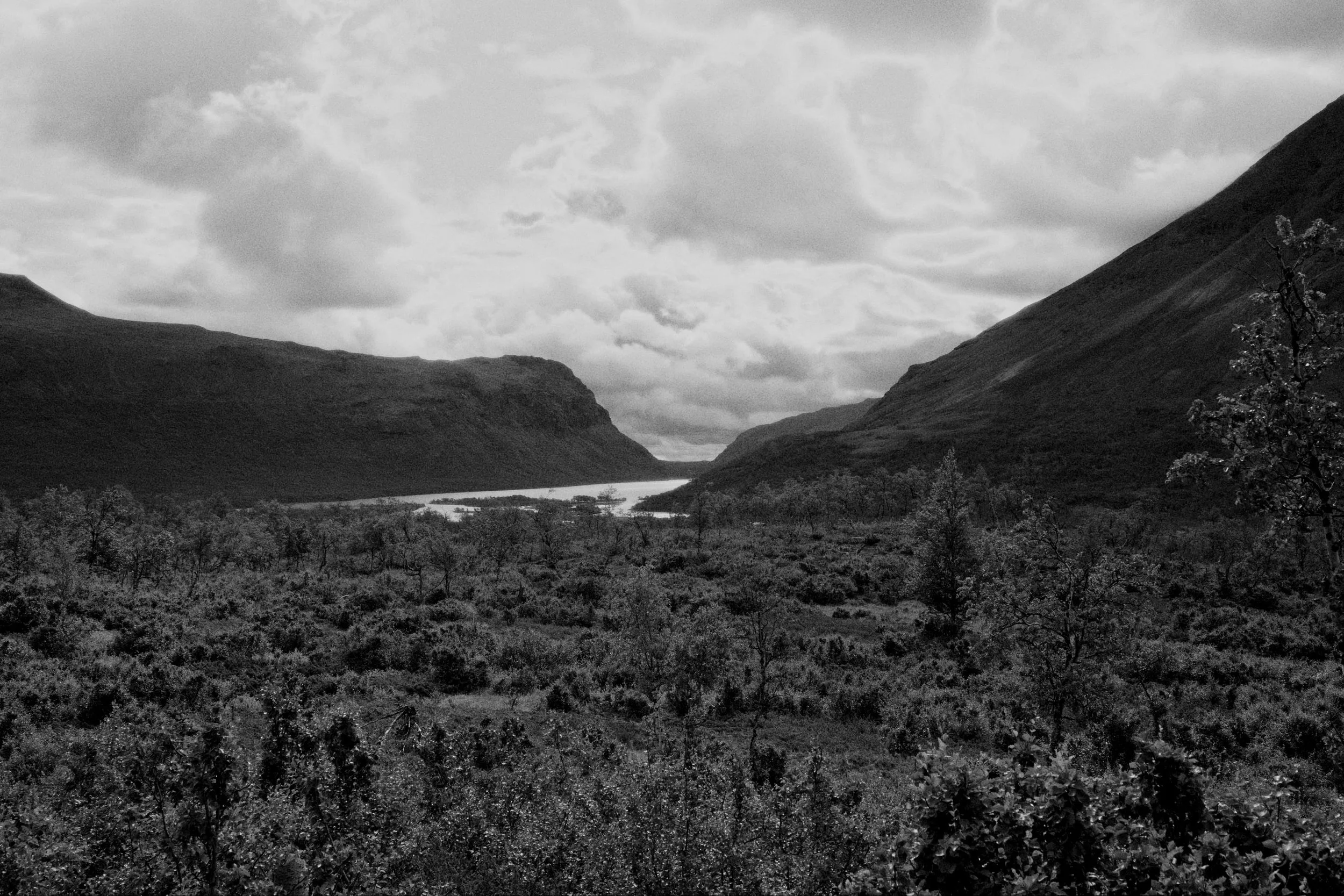
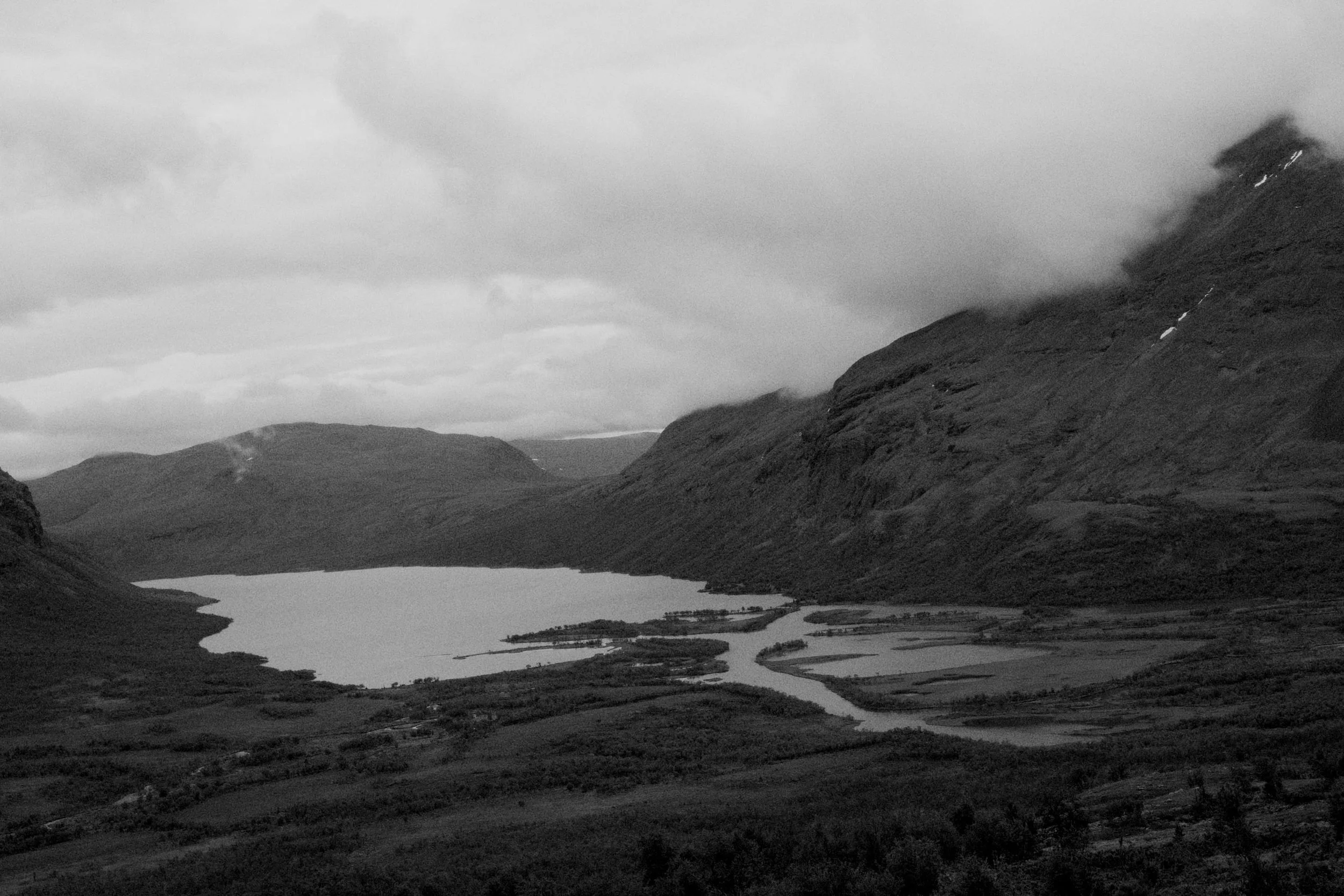
Twelve hours later I reach the river, or at least I can see it. According to the map, the bank is still two kilometres from where I stand, down the fell slope. The valley floor looks soft, dwarf birch and sedge grass, nothing but bog. I am tired, wet, and hungry. The birch trunks offer handholds for the descent from the side of the fell into the valley. Now and then a foot plunges deep between stones; the thought crosses my mind of the journey ending prematurely, the pack’s weight sending me spinning uncontrolled down the slope. Not today. There is no instruction manual for this, no path on the map, no best option. There is only the descent, one step at a time, wherever a step is possible. I enjoy going uphill so much more than going down, here, on the trails I run, while skiing, powder days aside. The vast open water of Lake Rautasjaure stretches eastward a moment longer; from a distance the entire area resembles a sleeping savanna. The green may drape the valley through a hundred days until winter arrives to cover everything.
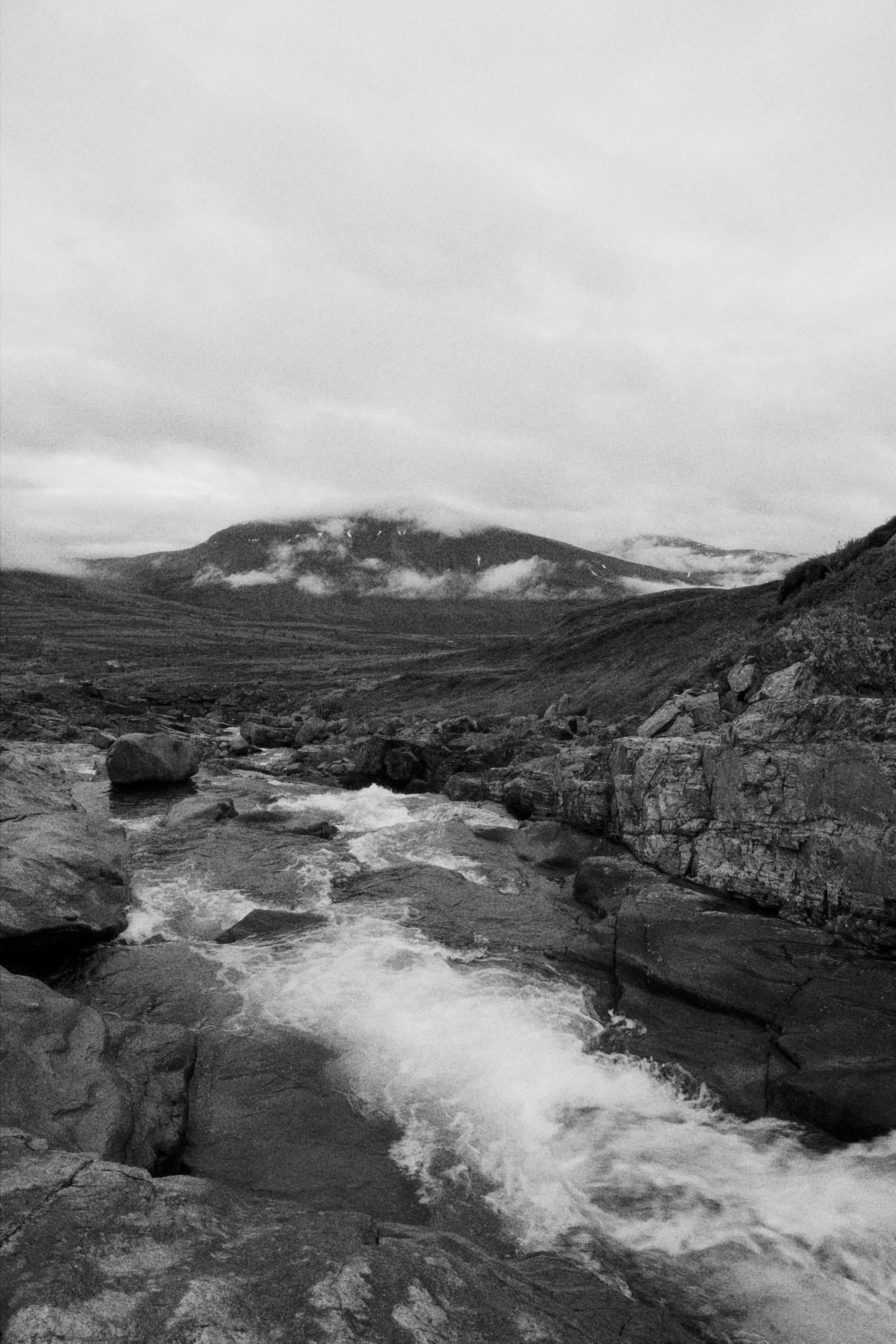
The river runs stronger than I expected. Vierrojohka, which joins Aliseatnu higher up, collects meltwater along a long stretch of valley between the fells and stains the river grey well into the lower reaches. I cannot resist fishing at the very spot where my walk ends. I assess the water for drinkability, and finding no other running water nearby, I fill my bottle with the natural arctic long drink, reminiscent of Finnish lonkero. The misjudgement, made in exhaustion, would only reveal itself later.
The riverbed is stone, fist-sized, head-sized, larger boulders, rounded by time. A window to the north: a miniature Alaska or Patagonia. From the exhaustion, only joy filters through now, as the fly line dancing in the air tells me I have arrived in spirit as well. The cold water bites into trembling, tired thighs. Using the valley’s echo as my sounding board, I sing a song in poor Swedish, improvised in the moment, whose story tells in sparse words how good it is to be here, now.
“Det är jättekul att fiska här…”
Getting to know the river, I try many flies without result for several hours. Perhaps the fish are not happy in the grey water. I weigh up the choice between upstream and downstream, and settle on drifting with the current, letting the water lead me down. The river clears as it branches and winds its way toward Lake Rautasjaure. The current eases, and a subconscious tension gathers. Will I find my way to the secrets of this river? I remember the large crane flies I spotted on the trail earlier, and the imitations I tied for this trip.
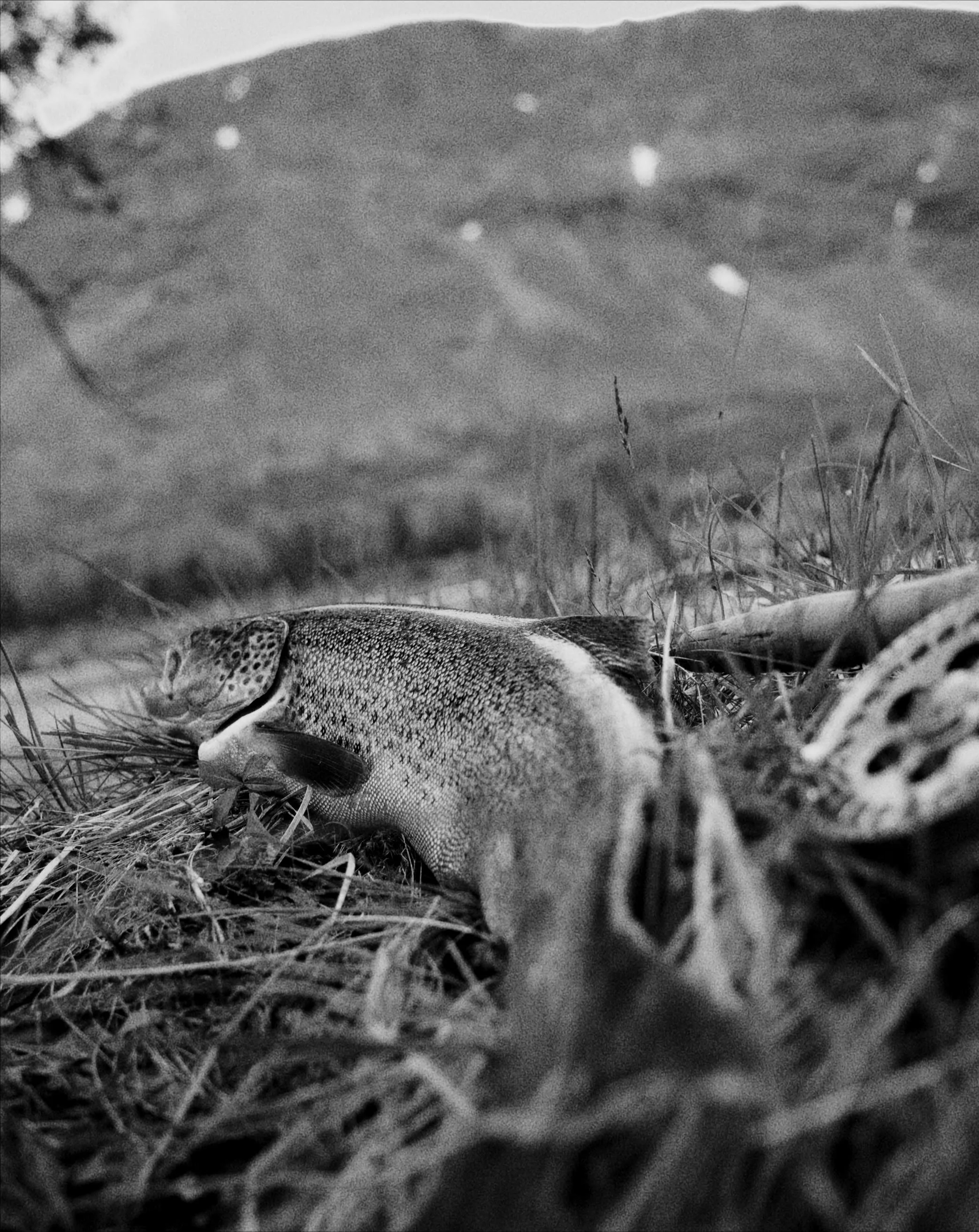
I walk to a place where the river narrows into a bend and the current presses hard against the far bank, leaving a slow eddy in front of me. I cast a crane fly imitation into the strongest thread of water, and the rod bends the moment the fly touches down. Pure, unrestrained northern power, running straight into me. There is nothing to do but follow. A magnificent trout surrenders after the fight. Aliseatnu feeds me today; with gratitude I receive what is offered.
Wild trout fried in butter, mashed potatoes, and spring onions. In the shadow of the fells, trout skin crisped in butter beats bacon. Well fed and content, I lean back in my chair, listening quietly to swamp rock from one of my favourite artists, Tony Joe White, as his lyrics tell tales of having one foot on the mountain and the other one in the stream. Tony’s music has travelled with me for nearly three decades. When I heard of the man’s passing in 2018, my young children learned that a grown man may weep too.
In the wilderness, the purpose of fishing for me is to gather food from the wild sustainably. Once I’ve caught a suitable fish, I move to cooking. I usually eat one fillet right away and save the other for later. Respect for nature can seem at odds with what I do, since I am intruding on a living being in its own element, seeking to take its life. I can’t dress that truth in finer words. I do not take a life without weight.
Sitting on the bank of Aliseatnu, legs spread rather too wide, I noticed to my misfortune that my wading pants had torn. A thirty-centimetre split at the crotch meant that patches and glue would not be enough this time. I reckoned they had given way at a tree crossing earlier, where I had been forced to take a longer stride than expected. Fortunately, the lower reaches of Aliseatnu are shallow, wading thigh-deep would be sufficient. If I waded deeper, the icy current would offer a swift reminder. I had already mapped the river from halfway down toward the lower reaches, and I wanted to see where it met Lake Rautasjaure. Alongside the ruined trousers, I had gained the stomach cramps that come with glacier water. The condition was far from ideal, but it would not stop the fishing. I had no appetite for anything. A solitary fast in the wilderness, and a night crossing back over the fell plateau, it would lend the journey a faintly biblical dimension.
In the lower reaches, as the current slackens, the character of the river changes. Gentle flow, shallow water, stones scattered here and there, the kind of place I loved to fish as a child. The river stirs a childlike joy, a longing for innocence, for the simplicity of life. I make no secret of the fact that I am searching for a renaissance of youth, nor that I have already found it, here along these northern rivers. Surface rises are visible in abundance among the stones. I wade to a chosen hide behind a rock sitting in the middle of the river. The mirror-still surface and the wind shelter brought by the trees on the bend create ideal conditions for dry fly fishing. I have not seen another person on the entire journey, only the occasional reindeer, a fox weaving playfully in my wake, the many birds that belong to the north, and now the trout rising after hatching mayflies. Standing here watching the fish feed in this moment, I notice that the blown wading pants do not trouble me in the least. They became part of the cost of this journey, and I feel I got off cheaply.
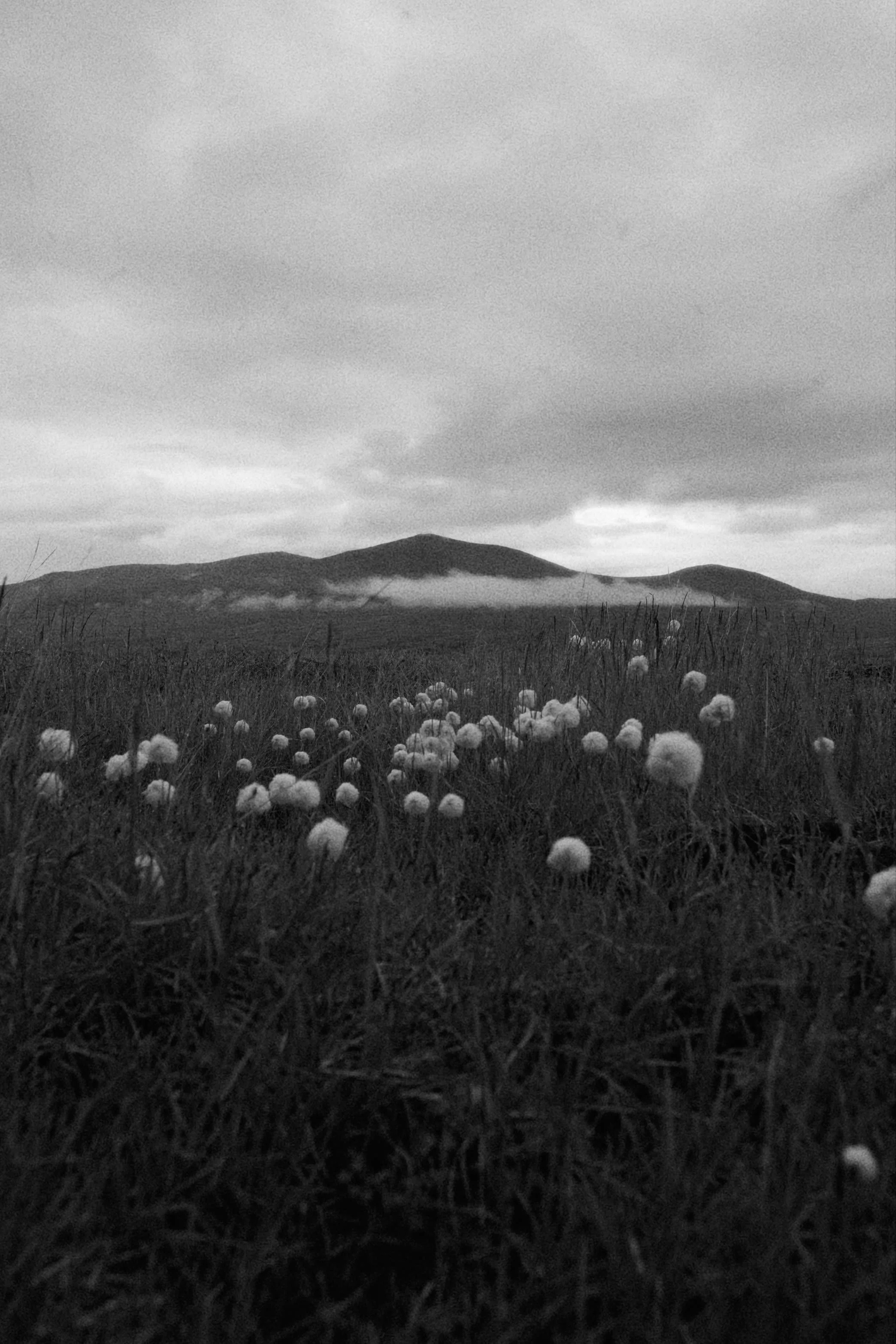
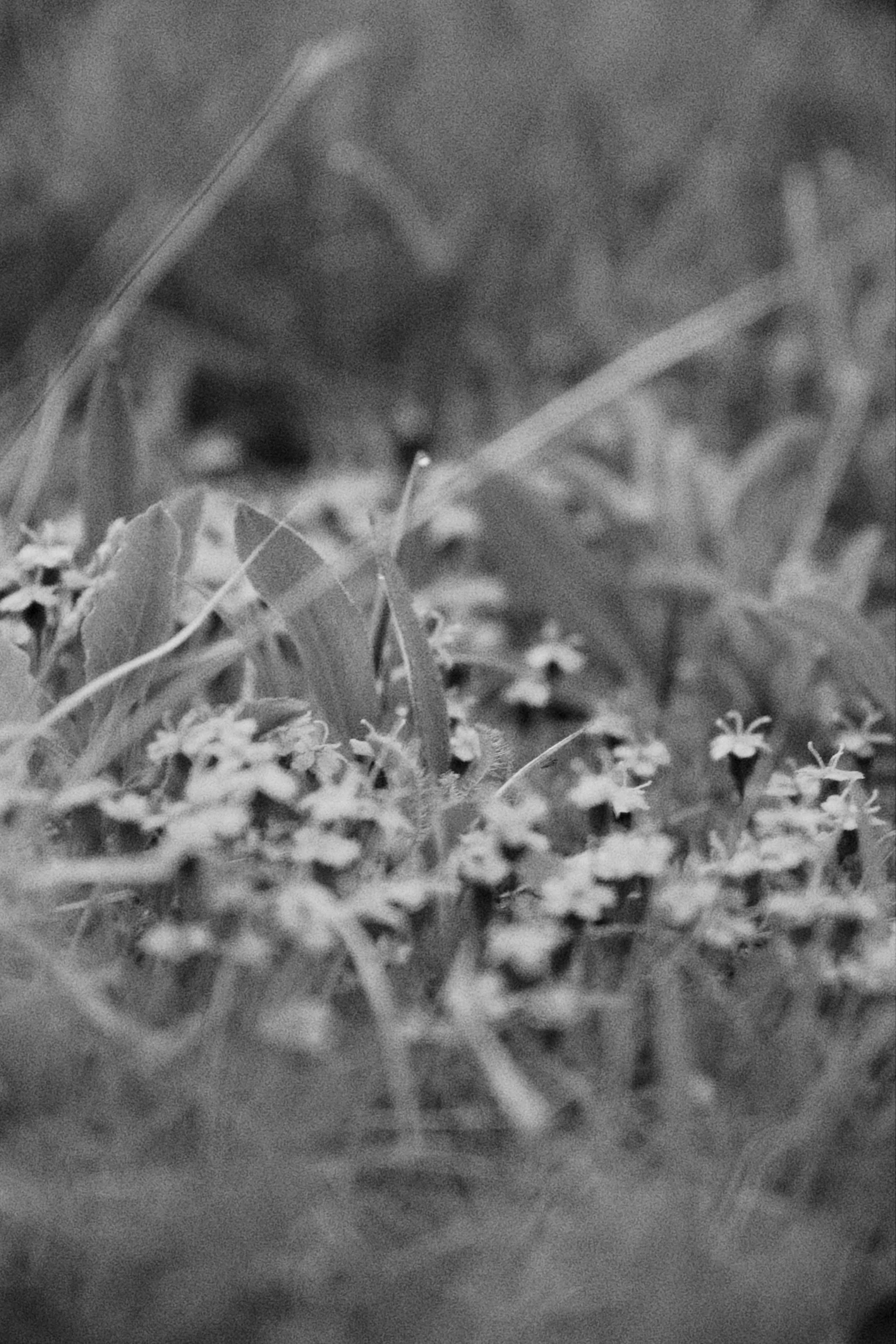
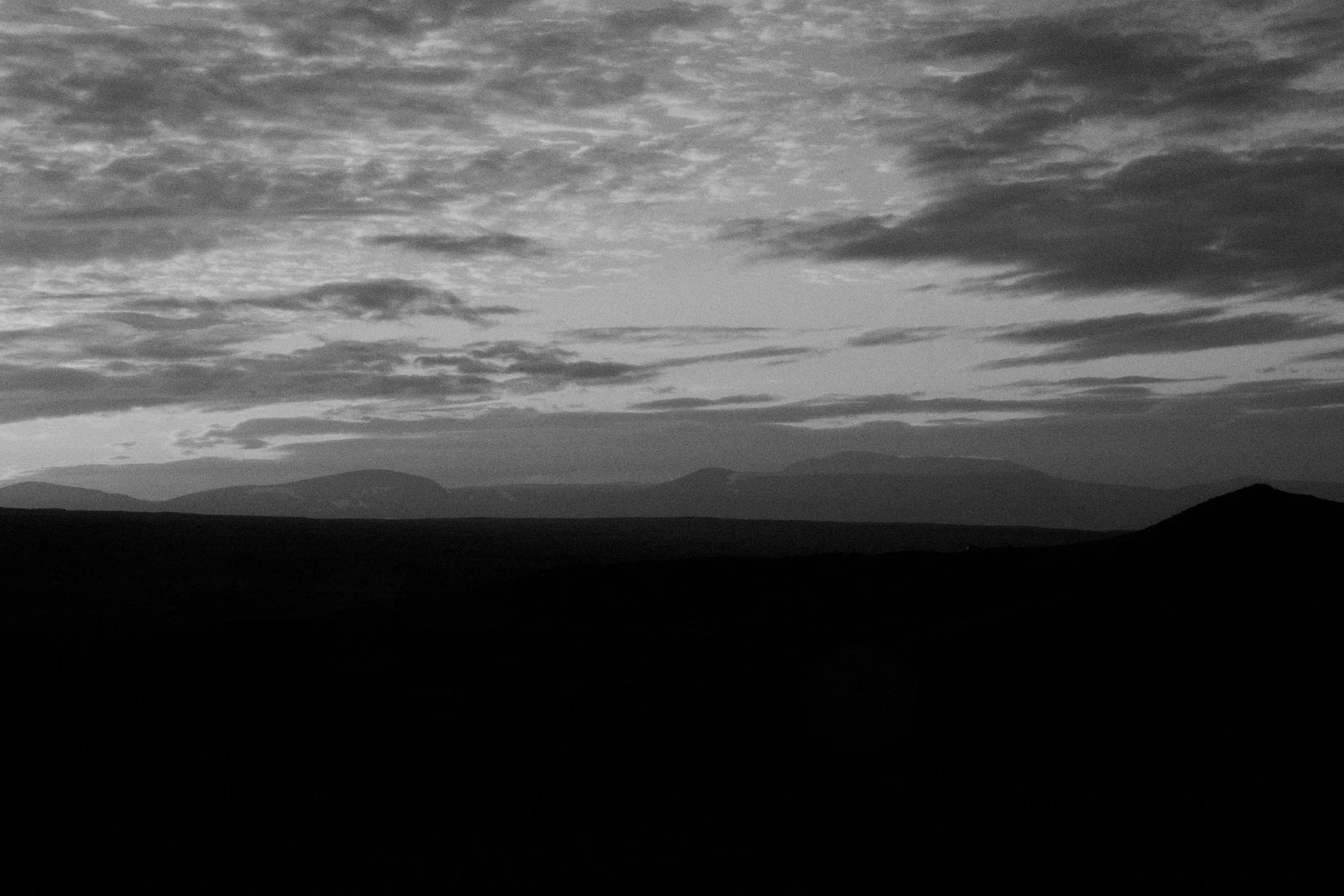
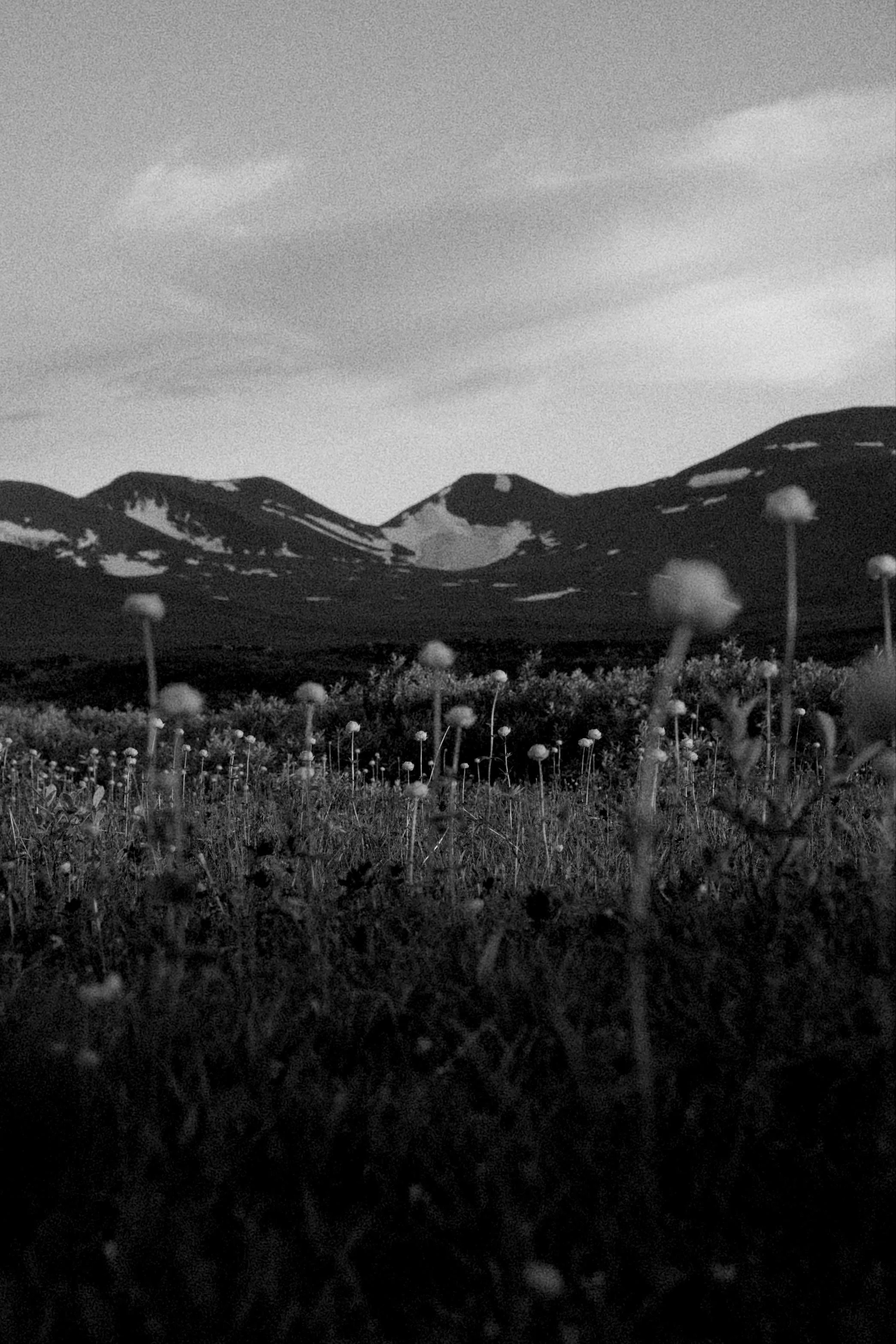
I timed my return as a night walk, setting out with no hurry. As the small hours arrived, I stopped to watch the vast shadows cast by the fells taking shape as a burning orange sun assumed responsibility for a new day. Globe flowers had risen to keep me company at the moment of the day’s birth, they shone like cut light, swaying on long stems in the northern air.
And so swayed I.
Writer, photographer © Jukka Tallinen.
If you enjoyed this story, please check back later for more. I have written a book set in Arctic wilderness and am currently exploring publishing options. Updates to follow!